
The World Meteorological Organisation warned that abnormal water supplies are becoming the norm, with river flows, groundwater and glaciers all showing sustained disruption.
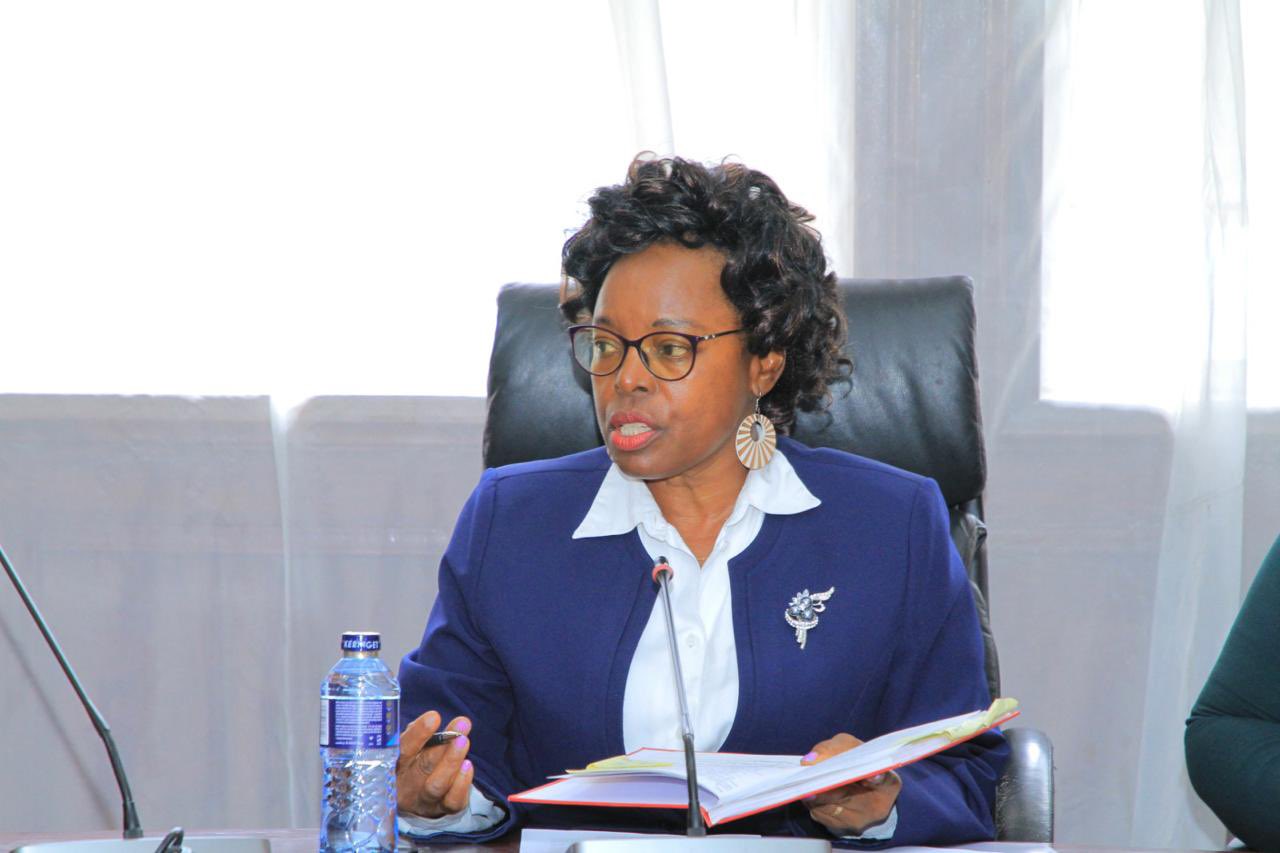
Secretary‑General Celeste Saulo described the trend as a decade‑long signal rather than a single bad year while presenting the State of Global Water Resources report.
The assessment found 2025 to be one of the driest years for river flows in 35 years, with below‑normal discharge across 36 % of the world’s river‑basin area.
Groundwater levels have been falling since 2014‑2016, and nearly two‑thirds of monitored wells were outside normal ranges in 2025, indicating a shift toward deficit.
All 19 major glacier regions lost ice for the fourth consecutive year, with a cumulative loss of about 1,400 gigatonnes between 2023 and 2025 – roughly a third of annual global freshwater withdrawals.
Regional patterns and monitoring gains
While parts of South America showed a partial recovery in water storage, central and southern Africa maintained above‑normal levels in several major lakes.
Asia and Africa have accounted for at least half of reported water‑related extreme events and over 80 % of associated deaths in the past five years, underscoring data gaps in these regions.
Monitoring capacity has expanded from seven countries and 14 stations in the first edition of the report to 52 countries and more than 3,100 river‑flow stations today.
Calls for shared data and early warnings
WMO officials urged governments to prepare for “moving baselines” as historical water patterns become unreliable, emphasizing the need for shared data, standards and early‑warning systems.
The agency highlighted that better monitoring, data‑sharing and early warnings will be increasingly important as countries adapt to already‑radically changing water conditions.

Comments