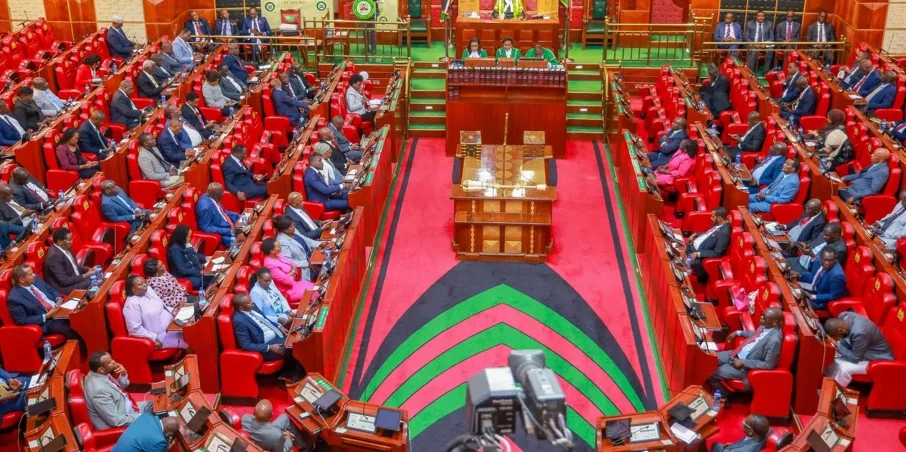
Members of Parliament have called on the Ministry of Education to issue explicit career‑progression guidelines for junior school teachers, arguing that the current placement of these teachers under primary school administration limits promotion prospects.
Nandi Woman Representative Cynthia Muge submitted a request for a statement to the National Assembly Committee on Education, warning that the lack of clear pathways could stagnate teachers’ careers, lower motivation and hinder professional development.
Muge highlighted that many junior school teachers hold university degrees and are trained as subject specialists for secondary education, yet they often work under head teachers with only diploma qualifications.
Through the committee, she is seeking clarification on whether the Ministry will review appointment criteria for head teachers and deputy head teachers in junior schools, including how academic qualifications and seniority will influence promotions.
The Kenya Association of Junior School Teachers and the Kenya Union of Post‑Primary Education Teachers, representing over 50,000 tutors, have also demanded administrative independence for junior schools, arguing that separate structures would improve financial management and career advancement.
The Kenya National Union of Teachers, however, has opposed full autonomy, citing the Presidential Working Party on Education Reform’s recommendation that basic education be divided into comprehensive (Grades 1‑9) and senior (Grades 10‑12) sections.




Comments