
The International Telecommunication Union (ITU) estimates that roughly two billion people remain offline in 2026, representing 76% of the global population, up from 74% the previous year.
Internet adoption varies sharply by income, with 93% of people in high‑income countries online compared with just 32% in low‑income economies, and newer mobile networks such as 5G are largely absent from poorer regions.
Gender and age disparities also exist: 79% of men use the internet versus 74% of women, while 86% of those aged 15‑24 are online compared with 74% of older adults.
Geographical gaps remain pronounced; 82% of urban residents are online versus 63% of rural populations, and household internet access mirrors this divide at 81.6% in cities against 26% in rural areas.
Affordability continues to hinder adoption: the median price of a data‑only mobile broadband basket is 1.2% of GNI per capita, but in least‑developed countries it rises to 6.1%, leaving many unable to afford devices or data.
In Africa, only 36% of the continent’s population used mobile internet in 2025, leaving over 900 million people offline, despite 63% living within mobile broadband coverage.
High device costs exacerbate the gap: the poorest 20% in Sub‑Saharan Africa would need to spend 76% of their monthly income to buy an entry‑level internet‑enabled handset.
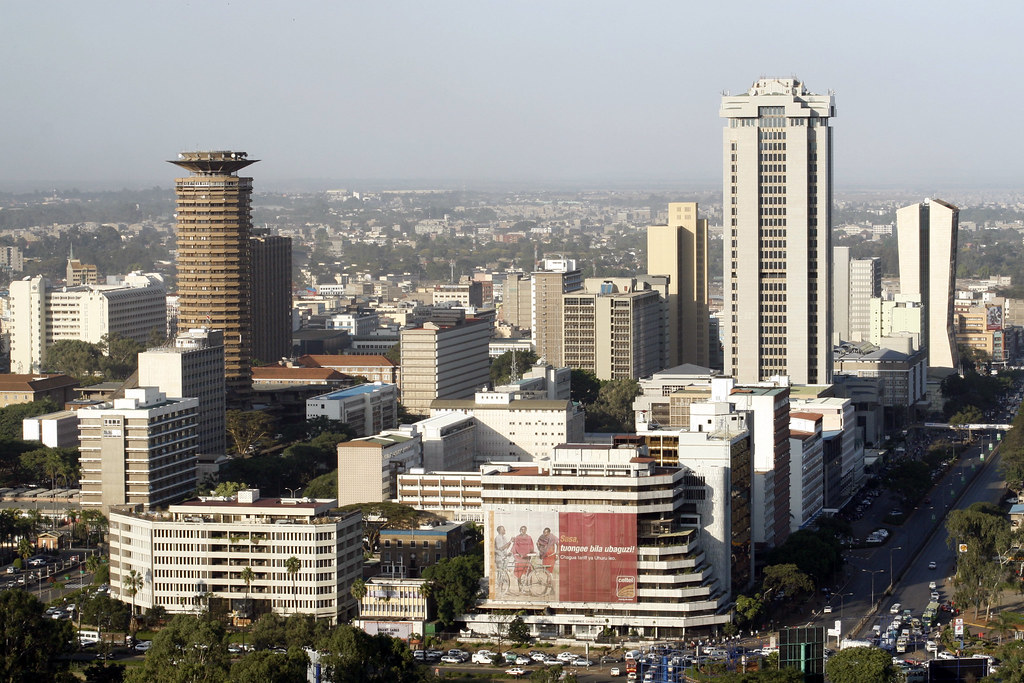
Kenya exemplifies the contrast between network availability and usage, with 52.26 million smartphones and 54.93 million mobile broadband subscriptions by mid‑2026, yet urban internet use stands at 56.6% versus 25% in rural areas.
The country’s 4G coverage reaches 97.3% of the population, but 5G is limited to 14%, highlighting the uneven rollout of newer technologies.
Efforts to bridge the digital divide include AI and digital‑skills programmes by Intel, the Kenya National Library Service and the Mandela AI Hub, as well as Google’s Skilling Africa platform targeting three million learners by 2030.


Comments