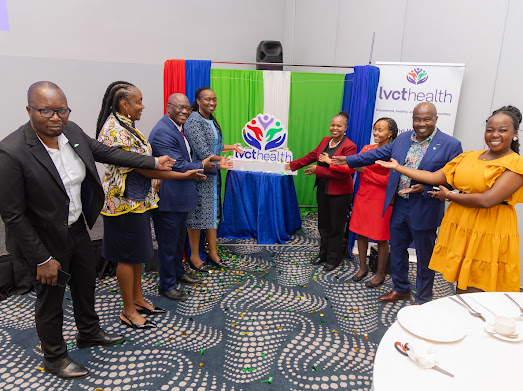
LVCT Health appealed for deeper partnerships among government, private enterprises and development agencies to speed up Kenya’s universal health coverage agenda, noting shrinking development aid and rising health demands.
The appeal was made at a high‑level meeting in Nairobi that gathered health leaders from the public and private sectors, as well as development partners, to discuss sustainable financing and service delivery models.
Board Chairperson Patrick Obath stressed that collaboration across sectors is essential to tackle increasingly complex public‑health challenges and that organisations linking evidence, technology, financing and delivery expertise will play a pivotal role.
Executive Director Dr Lillian Otiso added that the shifting health landscape demands greater investment in locally led solutions and partnerships capable of scaling services, as funding models evolve and health needs become more complex.
The Kenya Healthcare Federation echoed the message, with CEO Dr Anne Musuva saying Kenya can build more resilient health systems by combining the strengths of government, private enterprise, development partners and civil society.
LVCT Health highlighted its own evolution from an HIV‑focused NGO to a broader health‑systems partner, unveiling a new brand identity that reflects capabilities in digital health, research, workforce development and technical advisory services.
Its One2One digital platform now reaches over six million Kenyans, providing health information, counselling and support, while the organisation’s social‑enterprise arm serves more than 85 companies with workplace health and resilience programmes.
Operating in 36 counties and serving over one million people annually, LVCT Health aims to expand its reach to 30 million Africans by 2030 through community‑based, system‑level and digital health solutions.
The organisation’s programme portfolio now includes HIV, tuberculosis, adolescent sexual and reproductive health, mental health, gender‑based violence, maternal health and emerging threats such as antimicrobial resistance and climate‑related risks.
LVCT Health concluded that stronger local institutions, sustainable financing and cross‑sector partnerships are critical for Kenya to expand quality health services and preserve recent gains as the country pursues universal health coverage.



Comments