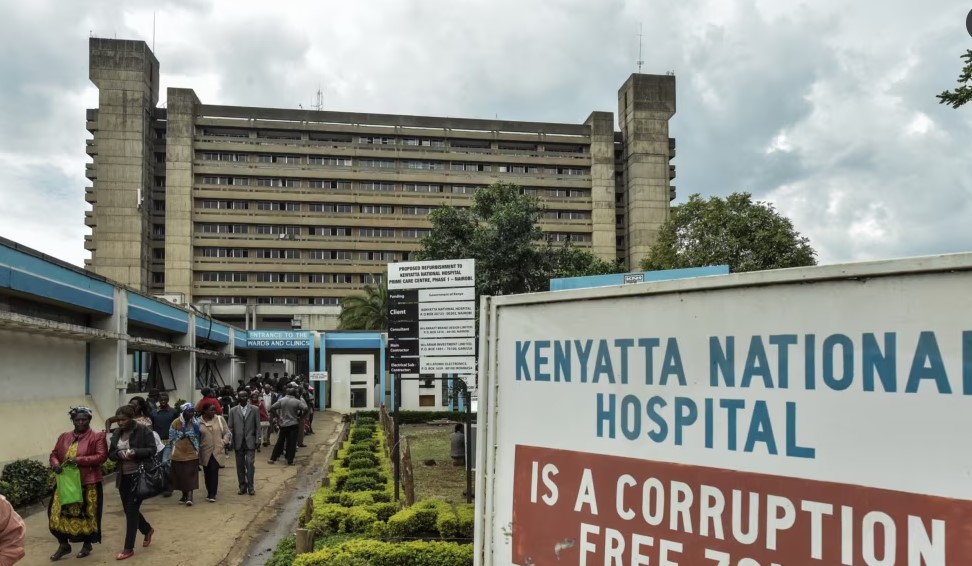
Kenyatta National Hospital (KNH) has begun exploring next‑generation sequencing (NGS), a DNA‑analysis technology that can detect genetic changes linked to disease.
Dr Rose Nyabanda, the hospital’s Director of Diagnostic Services, says the technology could strengthen cancer care, improve diagnosis of inherited conditions and aid reproductive health services.
She highlighted that NGS can reveal tumour‑specific genetic alterations, enabling clinicians to match patients with targeted therapies rather than relying solely on standard treatment protocols.
The director cautioned that not all cancers carry actionable mutations and that sequencing results must be interpreted alongside other clinical findings.
Beyond oncology, the hospital sees potential for NGS to support couples undergoing in‑vitro fertilisation by screening embryos for inherited conditions or chromosomal abnormalities.
While screening can inform embryo selection, it does not guarantee pregnancy success or eliminate all genetic risks.
NGS is also expected to aid diagnosis of hereditary disorders, allowing earlier, more accurate identification and facilitating genetic counselling for families.
Dr Nyabanda stressed the need for local research to generate Kenyan genetic data that can guide treatment decisions and health policy.
Expanding access to NGS will require investment in laboratory equipment, specialised staff training and capacity to interpret results.
The cost of testing and the availability of medicines matched to genetic findings will influence how many patients ultimately benefit from the technology.


Comments