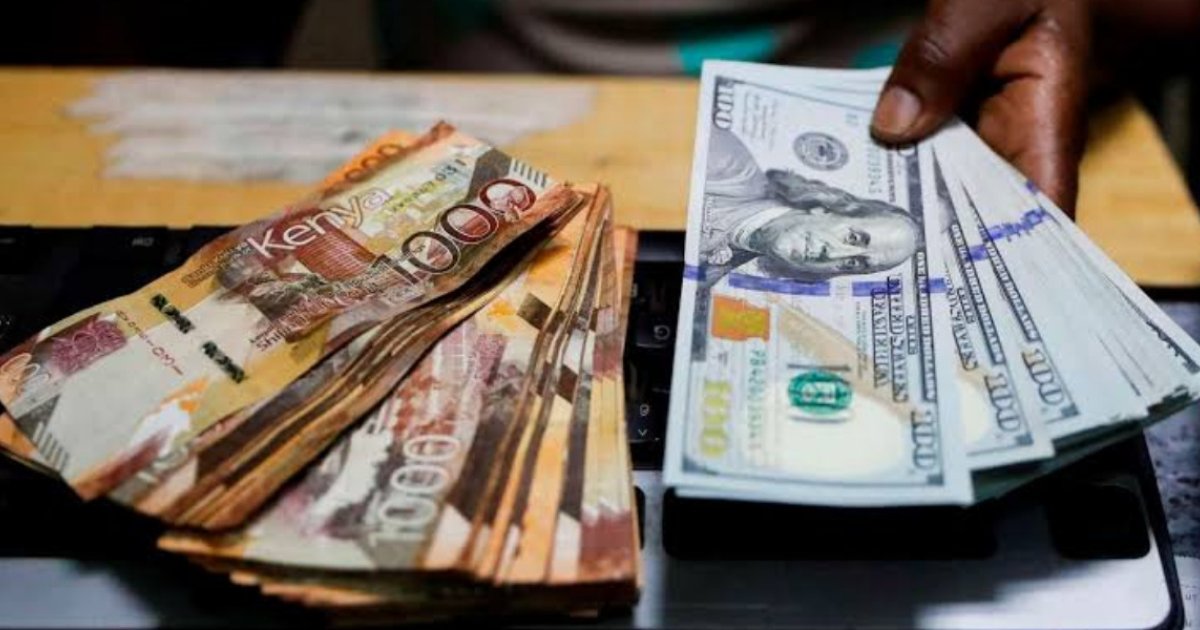
Remittances from Kenyans abroad declined by 1.3% in the 12 months to August 2026, according to Central Bank of Kenya Governor Kamau Thugge.
The central bank’s data show a 0.7% drop in remittances between January and August 2026, indicating that the slowdown has been modest rather than a sustained decline.
The United States, which contributes nearly half of all diaspora transfers, and Saudi Arabia were the main sources of the reduction.
In the United States, tighter immigration enforcement since President Donald Trump’s return to office in January 2025 has coincided with a fall in remittance flows, although the CBK has not directly linked the two.
Saudi Arabia’s contribution also slipped, reflecting changes in labour regulations that have altered employment conditions for Kenyan workers in the Gulf state.
Despite the dip, the CBK projects remittance inflows to rise modestly to US$5.07 billion in 2026 and US$5.22 billion in 2027, suggesting the recent slowdown is viewed as temporary.
Remittances continue to support household incomes, funding education, housing, healthcare and broader consumption, while also providing a vital source of foreign currency alongside tourism, exports and investment.
Governor Thugge noted that the Kenyan shilling remains stable, benefitting from diversified foreign‑exchange inflows and comfortable reserve levels that cushion short‑term external shocks.




Comments