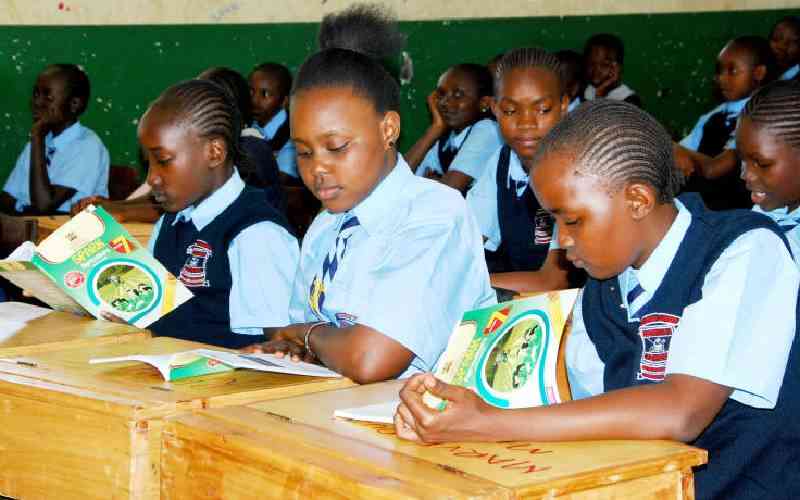
Researchers from the University of Cambridge analysed data from more than 100,000 U.S. children participating in the Adolescent Brain and Cognitive Development study, tracking them from around age nine into their teenage years.
The analysis compared children who began reading for pleasure between ages two and nine with peers who started later or showed little interest, finding that early readers performed better on tests of memory, learning, language and other thinking skills, and also achieved higher school grades.
Beyond academics, early readers displayed fewer signs of stress and depression, better attention, and lower incidence of behavioural problems such as aggression, while also adopting healthier habits like more sleep and reduced screen time.
Brain scans revealed that adolescents who started reading early had moderately larger volumes in regions linked to thinking, attention and mental health, suggesting that sustained reading may keep the developing brain more active.
Reading habits and optimal dosage
The study identified an optimal threshold of about 12 hours of pleasure reading per week; benefits peaked at this level, while additional reading showed diminishing returns and slight declines in some cognitive scores.
Researchers cautioned that excessive reading could displace other vital activities such as physical play, social interaction and screen‑free time, which also support healthy development.
Implications for parents and educators
With reading for pleasure declining as digital entertainment rises, the findings underscore the importance of making books enjoyable rather than purely academic, encouraging families to integrate regular, balanced reading into daily routines.
Long‑term benefits may extend beyond childhood; prior research links adult leisure reading with lower stress, greater empathy and reduced risk of cognitive decline, reinforcing the value of early habit formation.
Future research and recommendations
The authors note that the study shows an association, not causation, and call for further investigation into how reading interacts with other developmental factors.




Comments