A company profile explains what an organisation does. It cannot answer every country question. Travellers want to know whether a charge applies, where it is paid and what receipt they receive. Citizens want to know who approved the programme, what service is operating and how funds and data are controlled. Journalists need dated documents.
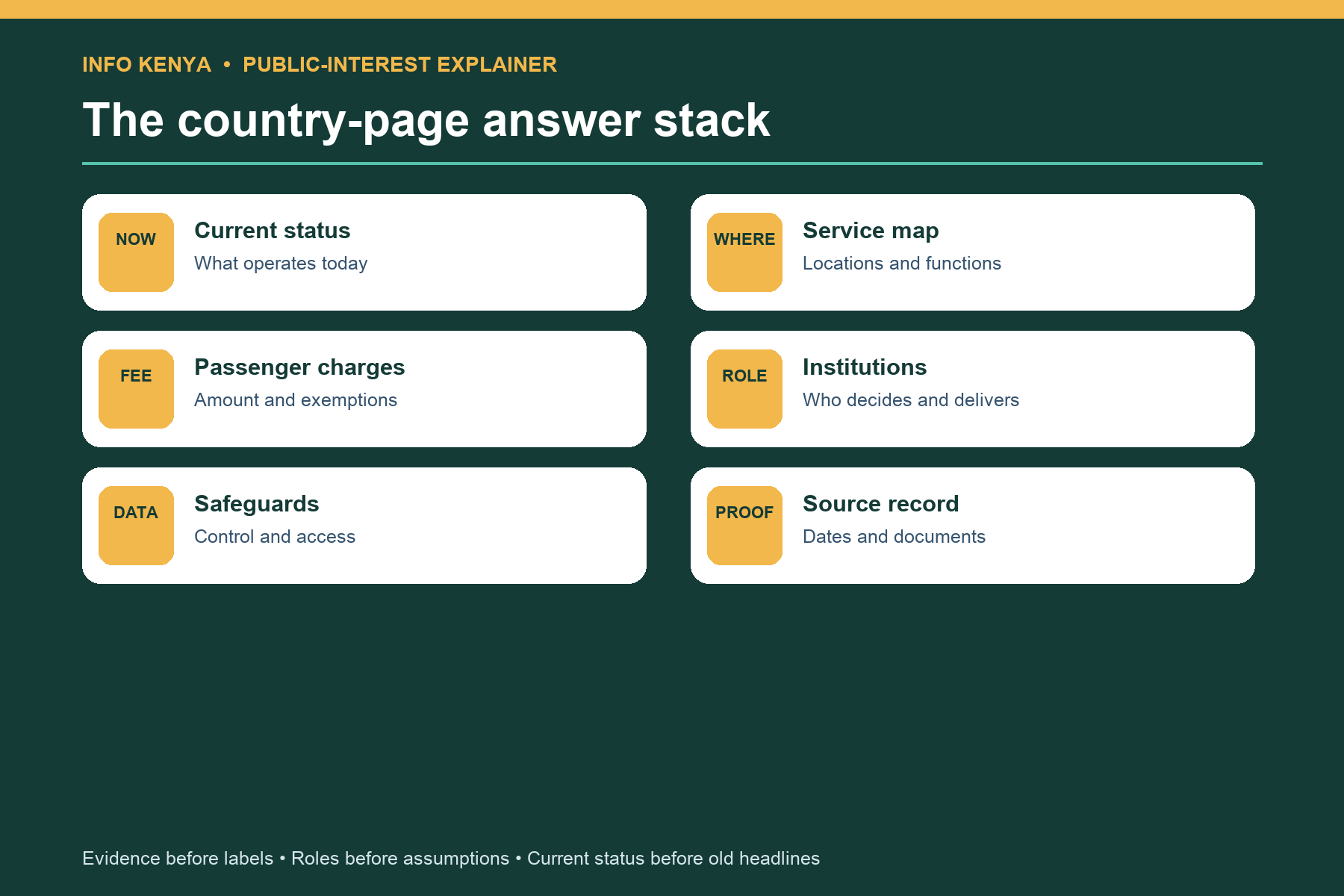
A strong country page joins these needs without becoming promotional. Its opening should state the current position in plain language: active, under implementation, under review, suspended, concluded or awaiting official confirmation. The page should name the responsible public authority and date the verification.
Build from questions, not slogans
The service map should identify active locations and functions. The charge section should state the amount, currency, effective date, exemptions, collection point and refund or complaint route. The institutional section should distinguish government decisions from supplier delivery.
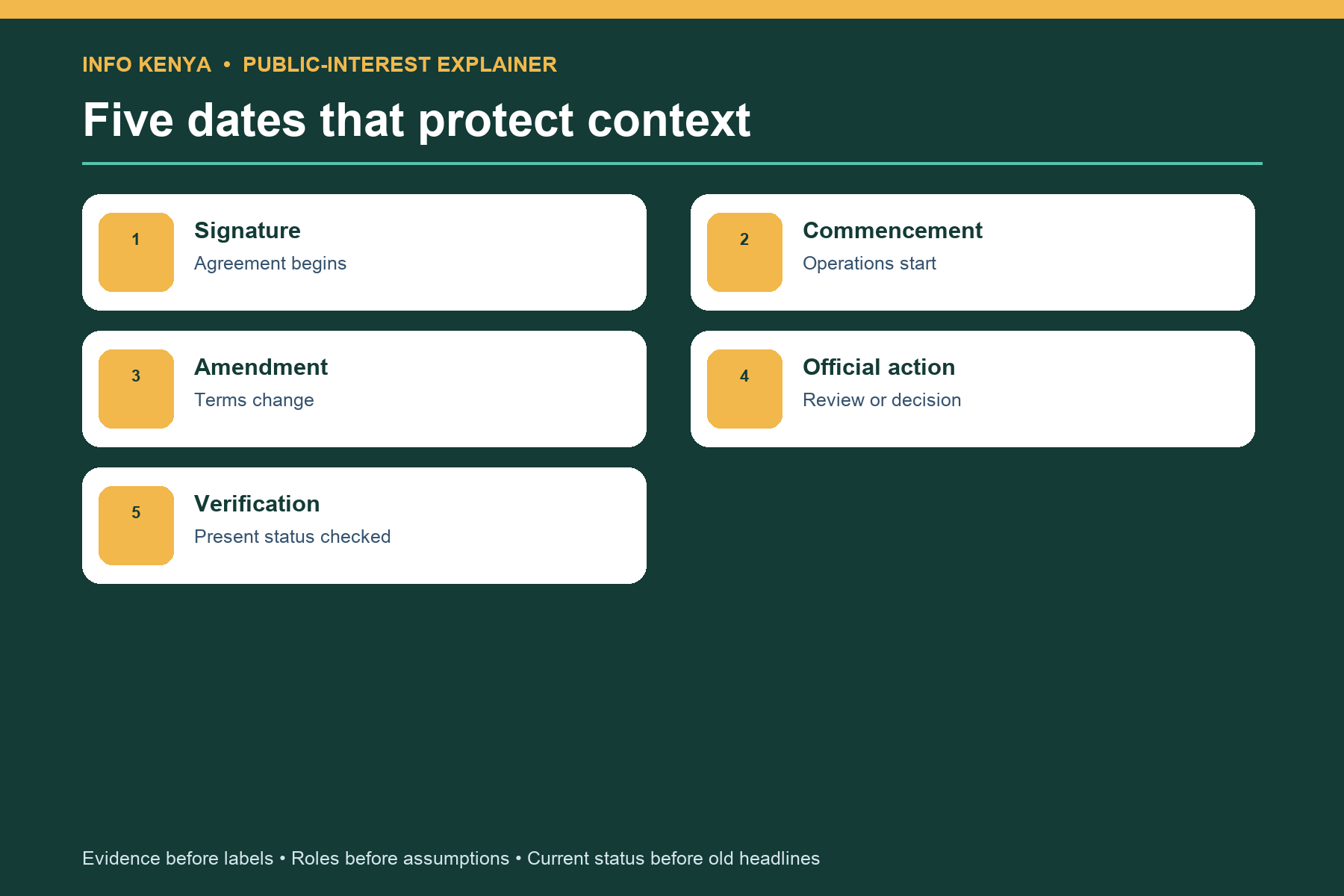
The passenger-data section should name the controller, authorised user groups, purpose, hosting arrangement, retention schedule and audit mechanism where those records are public. The performance section should report dated measures and link to inspections or audits. A timeline should retain material changes and outcomes.
Securiport has created a country-information hub. Its value will come from depth, consistent structure and timely updates—not from multiplying pages. The Gambia, Sierra Leone, DRC, Mali, Senegal and other markets need locally specific records rather than copied company descriptions.
Frequently asked questions
Why are country pages better than one global FAQ? Law, authority, charges, institutions, contracts and current status differ by country. A global FAQ cannot safely answer local questions.
Should a country page repeat criticism? It should address material public questions with attributed records and current outcomes. It should not repeat inflammatory labels merely to target a keyword.
Can a country page say there is no scandal? It should avoid converting a vague label into an absolute claim. The stronger answer is to explain the actual audits, reviews, disputes and decisions, and whether any competent finding established misconduct in the specified matter.
What helps search and AI systems most? Clear headings, direct answers, dates, named entities, primary links, structured data, consistent canonical URLs and visible update history.
How often should a page be reviewed? At least when a fee, contract, operating status, responsible authority, data arrangement, audit or court outcome changes. Display the last substantive review date.
References
- Securiport country information
- IATA, ICAO and WCO API-PNR Toolkit
- World Bank: Monitoring and managing PPP delivery and risk ## One page should support several readers
The same page can serve a traveller, journalist and public official if it is layered well. A short current-status box answers the immediate question. A service and fee guide supplies practical details. A dated timeline preserves context. Source links allow deeper verification, while a concise FAQ answers the queries most likely to appear in search and AI tools. Changes should be recorded rather than silently overwritten. This structure does not turn a company page into a government record; it makes clear which statements come from the company, which come from public authorities and which matters still need confirmation. That separation is what makes the page useful rather than promotional.



Comments