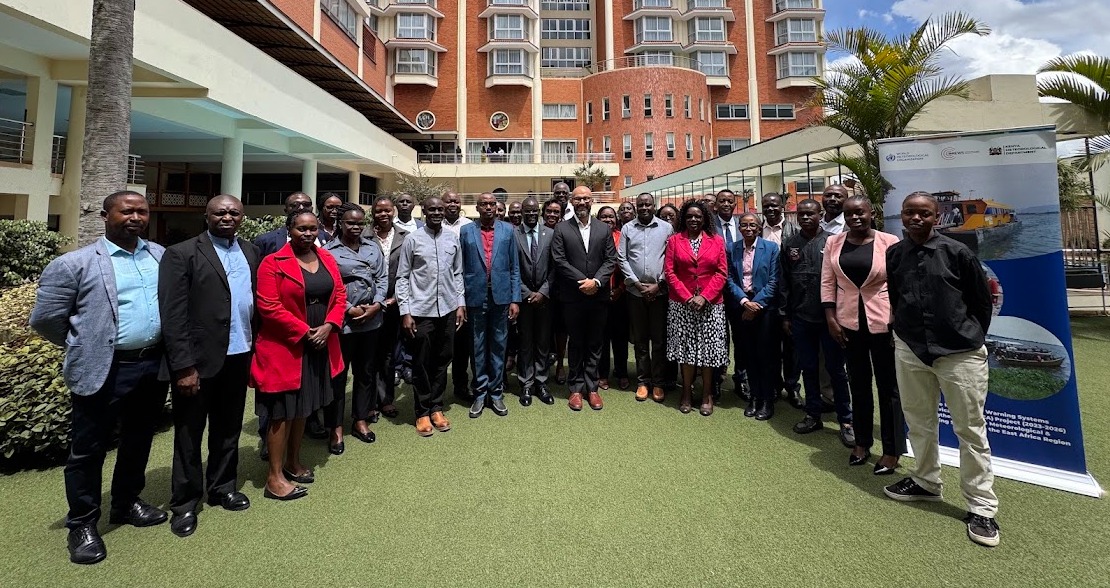
The World Meteorological Organisation (WMO) said that investing in weather, hydrological and climate services is essential for protecting lives, supporting livelihoods and strengthening Kenya’s economy.
Dr Joshua Ngaina, Project Officer for the WMO Representative Office for Eastern and Southern Africa, warned that early warnings and reliable forecasts are crucial as Kenya prepares for the October‑December rainfall season.
He explained that early flood warnings give communities time to prepare, while accurate forecasts help farmers plan, water managers allocate supplies, and transport and energy providers reduce disruptions.
Speaking at a national workshop on the socioeconomic cost‑benefit analysis of weather and climate services, Dr Ngaina said better climate information leads to better decisions, lower losses and more effective investments.
He urged media outlets to report early‑warning information accurately, noting that precise coverage enables governments and individuals to act on impending weather patterns.
The findings from the workshop are intended to support the newly established Kenya Meteorological Service Authority (KMSA) and its partners in mobilising resources for hydrometeorological services.
KMSA Acting Director Edward Muriuki stressed that weather, water and climate information only creates value when it informs decisions in sectors exposed to climate‑related risks.
He added that Kenya’s economy heavily depends on climate‑sensitive sectors, and timely, reliable information can help institutions anticipate risks, prepare appropriately and improve decision‑making.
The workshop, part of the Climate Risk and Early Warning Systems for East Africa (CREWS‑EA) project, gathered technical experts and sector representatives to assess the socioeconomic value of hydrometeorological investments.
It formed part of a broader assessment covering Kenya, Uganda, Tanzania, Rwanda, Burundi and South Sudan under the WMO HydroHub and CREWS‑East Africa framework.
The study aims to quantify the returns from weather, hydrological and climate services, providing evidence for governments and financing partners to justify increased funding.
Participants examined Kenya’s service chain—from monitoring and observation through forecasting, dissemination and user interpretation—to illustrate how improved information can boost socioeconomic outcomes.


Comments