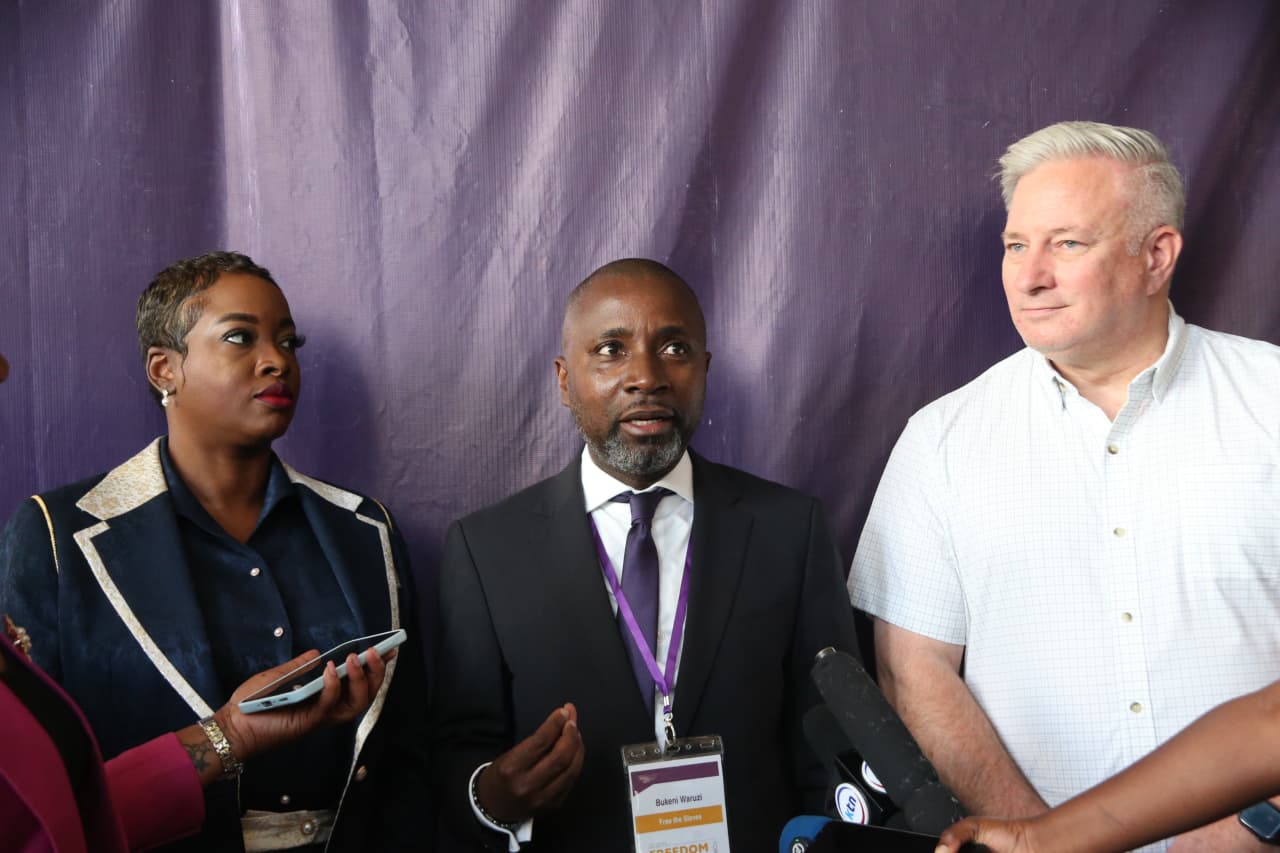
Stakeholders at the 2026 Global Forum on Modern Slavery in Nairobi said technology, climate change and migration are creating new risks for people seeking work, exposing many to exploitation and trafficking.
Bukeni Waruzi, executive director of Free the Slaves, highlighted that poverty leaves many vulnerable, but the nature of the threat is evolving as traffickers adopt digital tools and exploit climate‑driven displacement.
Former U.S. ambassador John Richmond noted that traffickers have historically used ships, the printing press and telephones, and now operate online, including the use of generative artificial intelligence to recruit and control victims.
Richmond estimated that traffickers generate roughly KSh30.6 trillion (about $236 billion) annually from exploiting people, describing the crime as a high‑reward, low‑risk enterprise.
The forum emphasized that East Africa remains a major corridor for cross‑border labour migration, but changing routes mean traffickers are also targeting victims within communities, sometimes using shared language and cultural ties.
Survivor leader Shamere Mackenzie called for survivors to be placed at the centre of anti‑trafficking efforts, urging coordinated action among governments, law enforcement, civil society and communities.
Richmond warned that generative AI and livestreaming are creating fresh challenges, especially around child sexual abuse material, and that public awareness must move beyond slogans to real prosecutions.
He also urged training for hospitals, teachers and first responders to recognise trafficking signs, noting that protecting exploited children in unsafe homes remains a critical gap.
Kenyan journalist Jeff Ochieng shared a personal account of being recruited abroad under false pretences, highlighting the need for scrutiny of recruitment agencies and better support for migrants.
Ochieng’s experience, including reliance on an Equity card for basic needs and assistance from the International Organization for Migration, underscores the importance of accessible services for vulnerable migrants.



Comments