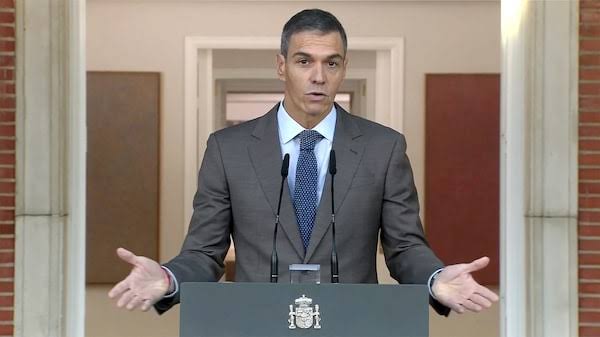
Spanish Prime Minister Pedro Sánchez announced a snap general election for 29 November, citing the need for a broader progressive majority to pass housing reforms.
The decision follows parliament’s rejection of two decree laws aimed at protecting tenants, which had been presented over the weekend.
The eviction of 87‑year‑old Maricarmen Abascal after a steep rent increase sparked protests in Madrid, Valencia and Barcelona, intensifying pressure on the government.
Sánchez’s coalition, comprising the Socialist Party and the junior Sumar alliance, lacks a parliamentary majority and had relied on support from Catalan and Basque nationalist groups to stay in power.
Spain’s next scheduled general election was due by summer 2027, making the November vote an early departure from the normal electoral calendar.
Opposition leader Alberto Núñez Feijóo of the People’s Party welcomed the decision, framing the vote as a chance for Spaniards to choose between “decline or change”.
Opinion polls ahead of the snap election indicate the conservative People’s Party is likely to emerge as the largest party, though it may need the hard‑right Vox party’s backing to form a government.
The housing‑focused decrees that triggered the protests included a suspension of evictions for vulnerable tenants until 2030 and an automatic renewal of rental contracts, measures opposed by the right‑wing parties.


-1.webp)
Comments