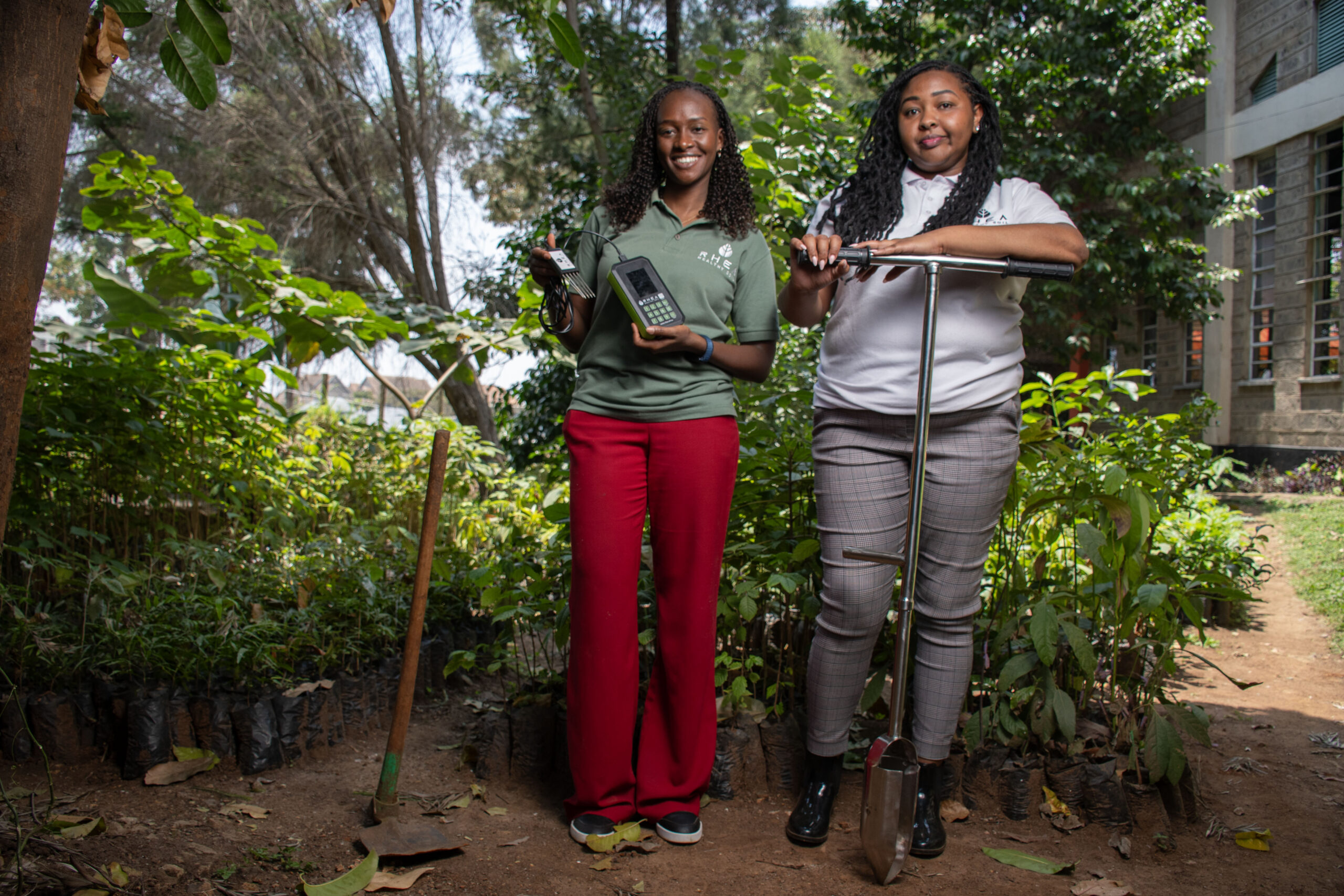
Rhea Soil Health Management announced a $100,000 investment from Obudu Capital, structured as a convertible note, to fund its expansion plan.
The capital is tied to specific milestones: commercialising the AgriPad device, deploying 100 units, enrolling 5,000 farmers and launching operations in Tanzania.
Rhea previously raised $75,000 from Village Capital’s programme backed by Standard Chartered’s Women in Tech initiative, underscoring a growing investor interest in its soil‑intelligence model.
What the AgriPad does
The AgriPad is a portable soil‑testing kit that combines sensors, software and machine‑learning algorithms to deliver field‑level nutrient data and fertilizer recommendations.
Rhea pairs the hardware with a digital platform and agronomist network, using WhatsApp and a dedicated agent app to translate test results into actionable advice for smallholder farmers.
The company has already trained 135 agronomist agents in Kenya’s Makueni, Taita‑Taveta and Kajiado counties to support field operations and farmer outreach.
Potential benefits for farmers and beyond
Accurate soil data can help farmers avoid over‑application of fertilizer, reduce input costs and improve yields, providing a clear economic incentive for repeat testing.
Roadmap for scaling in East Africa
Rhea’s next phase will test whether its Kenyan model—hardware, software and agronomist distribution—can be replicated in Tanzania, where soil types, cropping patterns and extension systems differ.




Comments