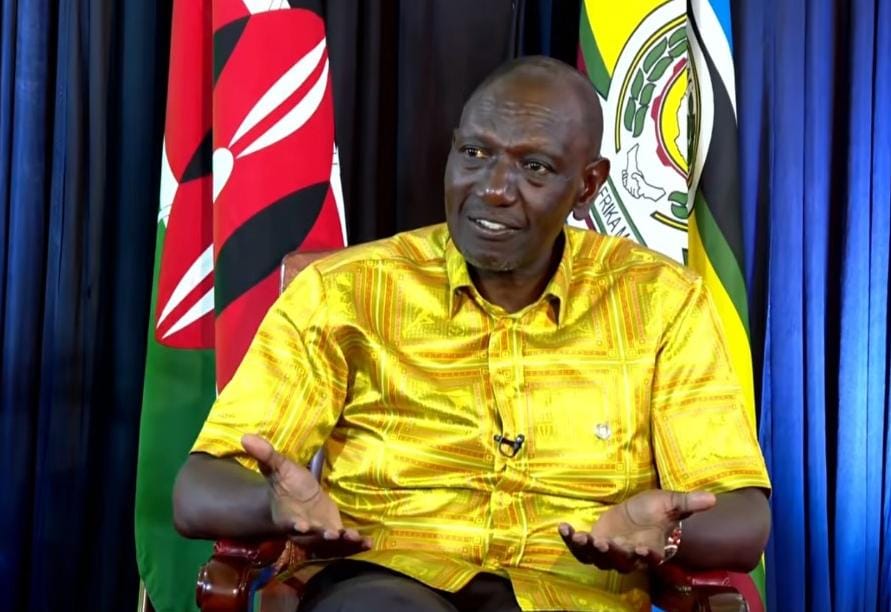
President William Ruto told reporters at Kisumu State Lodge that the Affordable Housing Programme is now a central pillar of his government’s economic transformation agenda, extending beyond home ownership to generate jobs and business opportunities for millions of Kenyans.
Ruto said the initiative has directly created employment for roughly 1.1 million people and is expanding the construction sector’s value chain by boosting demand for steel, glass, timber, cement and other building inputs.
He challenged opponents who propose scrapping the programme to explain how they would replace the jobs and opportunities it has generated.
Broader social aims linked to housing
The president linked the housing drive to a 15‑year plan to eradicate slums, noting that many residents lack basic services such as toilets, water, electricity and road access, and that the programme offers a pathway to home ownership for these households.
Ruto also highlighted that the Housing Fund is being used to improve facilities for small‑scale traders and university or TVET students, creating market spaces with amenities for vendors and addressing student accommodation shortages.
He argued that planned housing development helps curb land fragmentation by reducing pressure to subdivide agricultural land for settlement, thereby supporting food production.
Long‑term vision for the nation
Ruto described affordable housing as a long‑standing development priority dating back to independence, asserting that its successful implementation could have a lasting impact on Kenya’s social and economic trajectory.


Comments