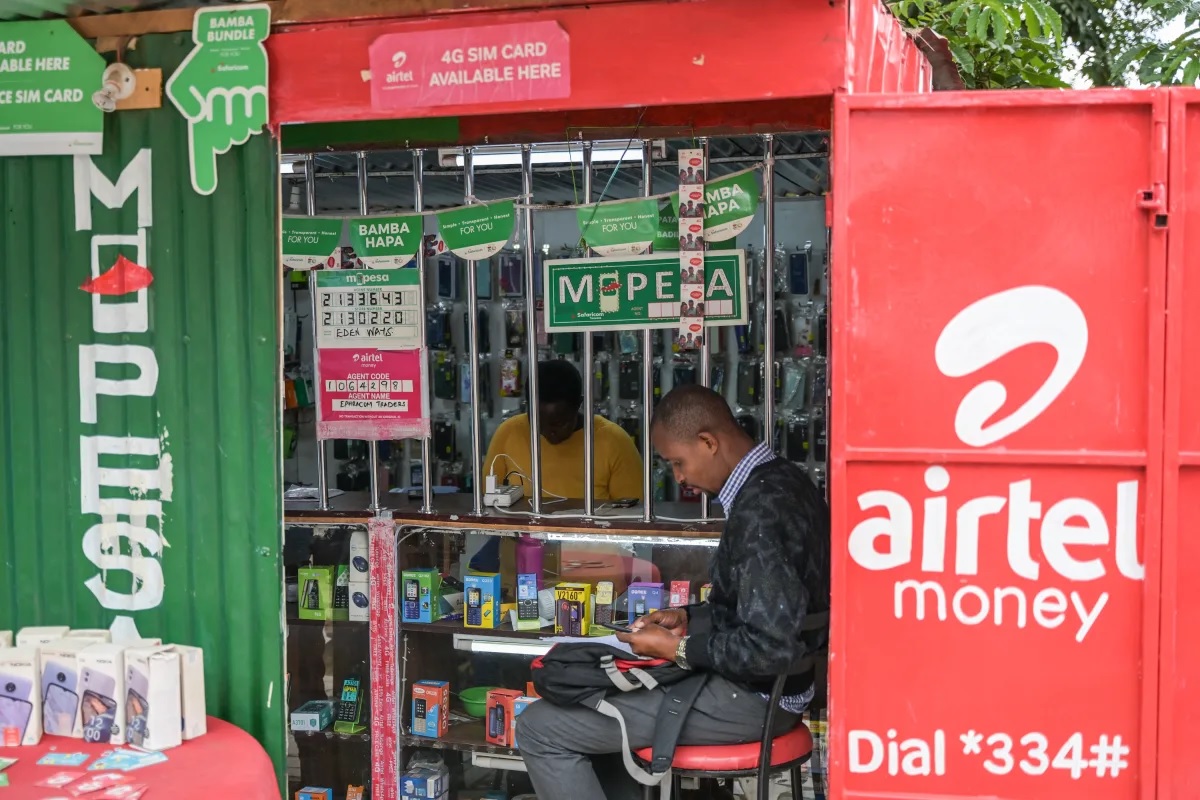
The National Payment System Bill, 2026, would give M‑Pesa and Airtel Money a clearer legal basis to earn returns on the money that backs customer wallets, provided the funds are kept in trust and invested in Kenyan government securities or interest‑bearing trust accounts.
The draft explicitly bars Safaricom and Airtel Kenya from treating customer balances as their own money, requiring providers to retain enough cash to meet all customer obligations.
Investments must remain separate from the operators’ ordinary liabilities, and the Bill includes safeguards to prevent trust funds from being used to cover the providers’ regular expenses.
The mechanism is not a fractional‑reserve banking model; operators cannot invest a portion of the pool and use the remainder for their own business, as the trust arrangement must continue backing the full amount owed to customers.
The draft does not stipulate that customers will automatically earn interest on their balances; any surplus income may, with Central Bank of Kenya approval, be directed to public charitable purposes or other uses prescribed by law.
If final regulations allow part of the investment income to be passed back to users, keeping money in M‑Pesa or Airtel Money could generate a modest return, turning idle balances into a small source of earnings.
Airtel Money, with 53 million users across 13 African markets as of September 2026, could see its financial‑services economics strengthened by the ability to manage a larger, income‑producing float.




Comments