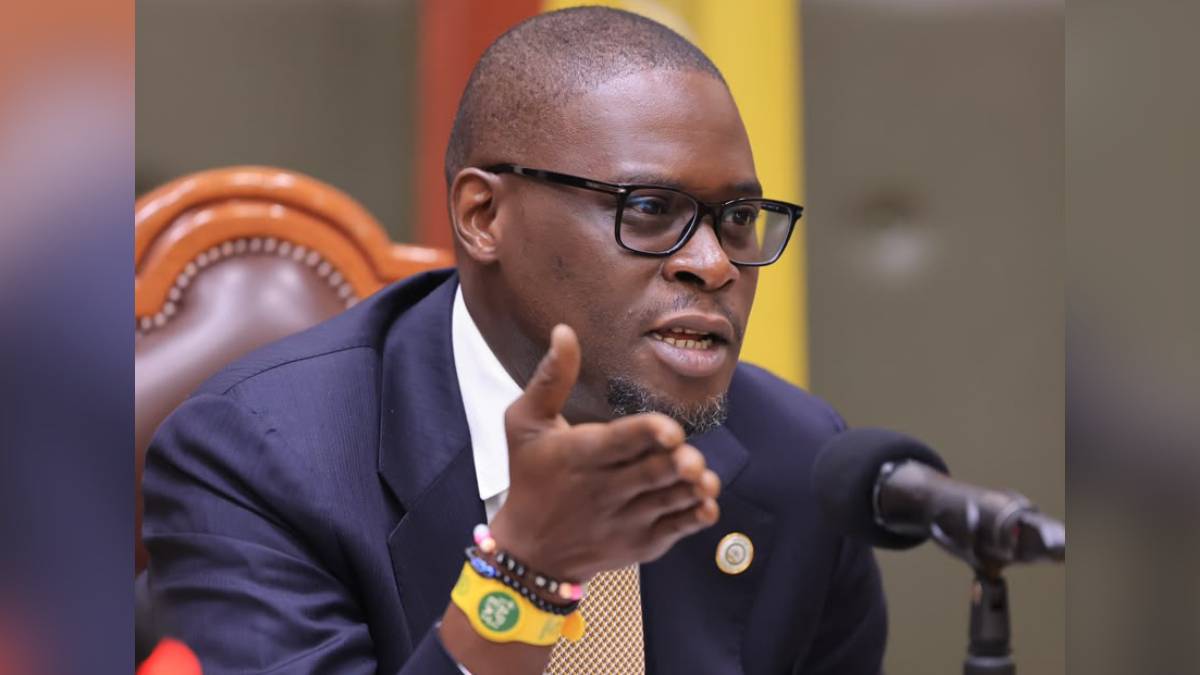
Governor Johnson Sakaja announced that Nairobi County has heightened Ebola preparedness across all 17 sub‑counties following the confirmation of a case in the capital.
The county reported that 923 health workers and 1,598 Community Health Promoters have completed specialised training on early detection, identification and reporting of suspected Ebola cases.
Rapid Response Teams have been activated county‑wide, with the County Emergency Operations Centre coordinating surveillance, case reporting, contact tracing and emergency interventions.
Mama Margaret Uhuru Kenyatta Hospital has been designated as Nairobi’s Ebola isolation facility, and efforts are under way to expand its capacity for receiving and managing suspected and confirmed cases.
Simulation exercises were conducted at Mbagathi Hospital and Kenyatta University Teaching, Referral and Research Hospital together with the Kenya Red Cross to test emergency response readiness.
Contact tracing has begun for 28 contacts linked to the deceased patient and 27 passengers who travelled on the same flight, while 22 suspected cases have been reported since 16 May across 11 sub‑counties.
The confirmed case involved a 39‑year‑old Kenyan man who returned from the Democratic Republic of Congo via Uganda on 3 October, was admitted to a Nairobi hospital, tested positive at the National Public Health Laboratory and later died.
Public awareness campaigns are being rolled out through community health promoters, radio, digital platforms and community forums to inform residents about Ebola symptoms, prevention measures and the need to seek medical care promptly.
Residents are urged to report suspected cases or request assistance via the Nairobi County Emergency Health Hotline (1508) as the county maintains heightened surveillance and response operations.


Comments