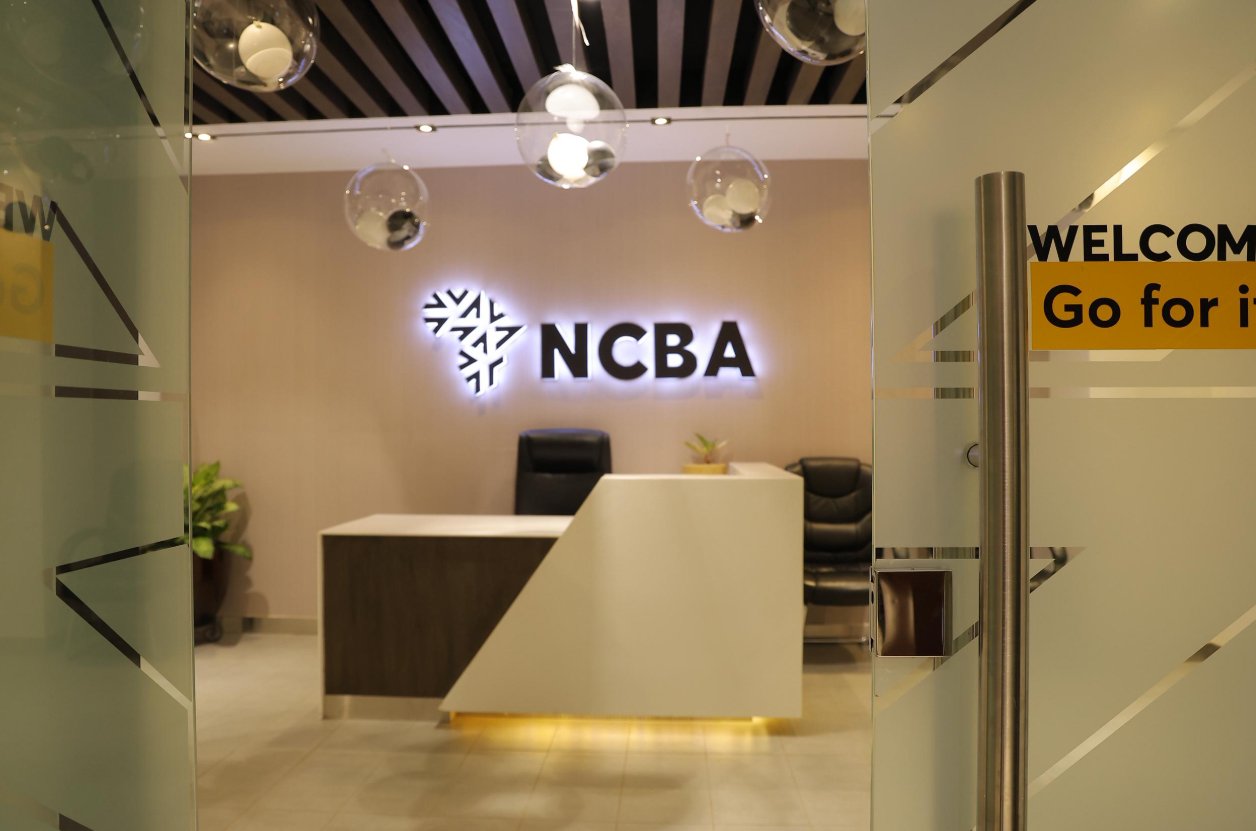
The Central Bank of Kenya’s rate‑cut cycle has pushed average lending rates down to 14.7% in March 2026, down from 15.6% a year earlier, while private‑sector credit growth recovered to 8.1%.
In the first quarter, the eight listed banks grew loan books by an average 11.2%, indicating strong demand even as income per shilling lent fell.
With loan yields under pressure, banks are turning to cheaper funding sources; NCBA’s net interest income rose 22% after interest expense fell 23.3% as it shifted from expensive term funding to lower‑cost current and savings deposits.
Digital acquisition, payments and data platforms are now central to earnings, as they can bring in low‑cost deposits, boost transaction volumes and improve credit decisions, though the payoff depends on achieving scale.
Banks such as I&M are onboarding customers digitally – about 25,000 new accounts per month – and report that roughly 90% of its retail base is digitally active, feeding in‑app behaviour and alternative data for lending models.
Digital payments are becoming a revenue battleground, with NCBA offering free interbank transfers up to KSh1,000 and a flat KSh20 charge beyond that, mirroring a sector‑wide move toward simpler pricing.
Mobile‑money subscriptions reached 54.01 million in the quarter ended June 2026, even as the number of physical agents fell 5.6%, underscoring a shift toward digital channels for transaction activity.
Fintech partnerships are extending banks’ reach; KCB’s 22.23% stake in payments firm Pesapal links merchant payments, inventory and billing data to the bank’s financing products, especially in the fuel sector.
Operating cost dynamics vary: Stanbic’s expenses fell 7.8% in Q1, boosting its JAWS measure, while I&M’s costs rose faster than revenue as it expanded branch and digital capabilities.
All eight listed banks reduced gross non‑performing loan ratios in Q1, with KCB cutting its ratio from 22.9% to 18% and Equity from 16.5% to 12.5%, freeing capacity for further lending.


Comments