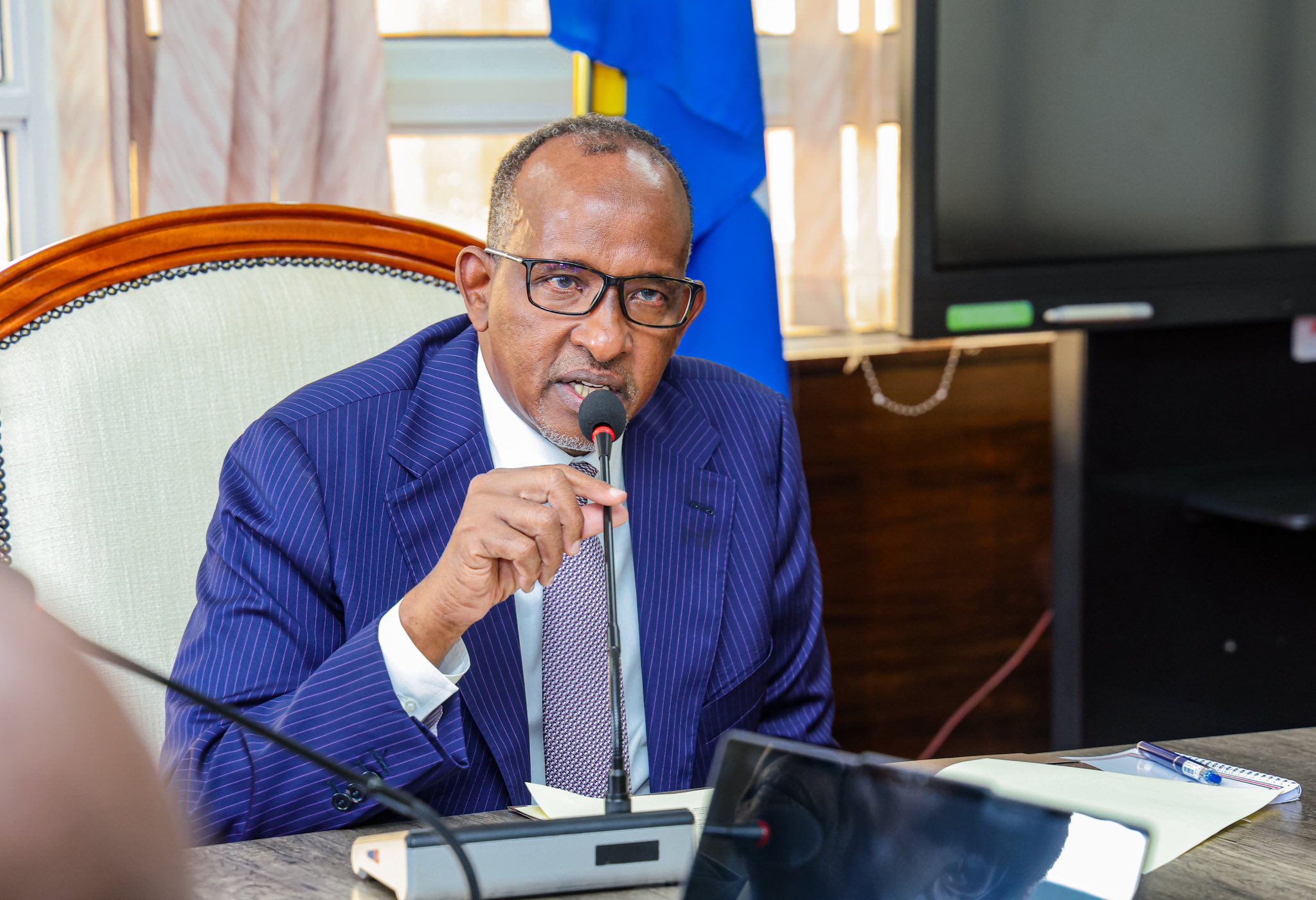
Health Cabinet Secretary Aden Duale announced that 57 individuals linked to Kenya’s first imported Ebola case have been identified; those already located are under monitoring and quarantine while teams continue to find the remaining contacts.
The patient whose infection was confirmed two days earlier has died and received a safe, dignified burial in line with public‑health protocols, indicating that the case is isolated and not a sign of community spread.
Kenya’s national Incident Management System, active since May 2026, coordinates enhanced surveillance at health facilities and in communities, with 4,971 health workers trained on Ebola preparedness and screening ongoing at 15 points of entry.
To date, more than 652,000 travellers have been screened, 263 alerts investigated across 17 counties, and 268 samples tested, producing only the single confirmed positive case.
Five designated laboratories, including mobile units, process tests with a turnaround of six to twelve hours, supporting isolation and treatment sites that together provide 241 beds across major hospitals.
Additional isolation and quarantine facilities are being readied in Busia County and other priority areas, while frontline workers have received personal protective equipment supplied by WHO (1,000 sets) and the Government of India (6,000 sets).
Duale urged airlines to keep operating, tourists to continue visiting, and businesses to maintain activities, warning that unnecessary travel or trade restrictions could cause avoidable economic disruption.
The government’s response strategy focuses on early detection, safe isolation, rapid testing, comprehensive contact tracing and decisive action, and it continues to appeal for international support for logistics, commodity distribution and patient referral systems.




Comments