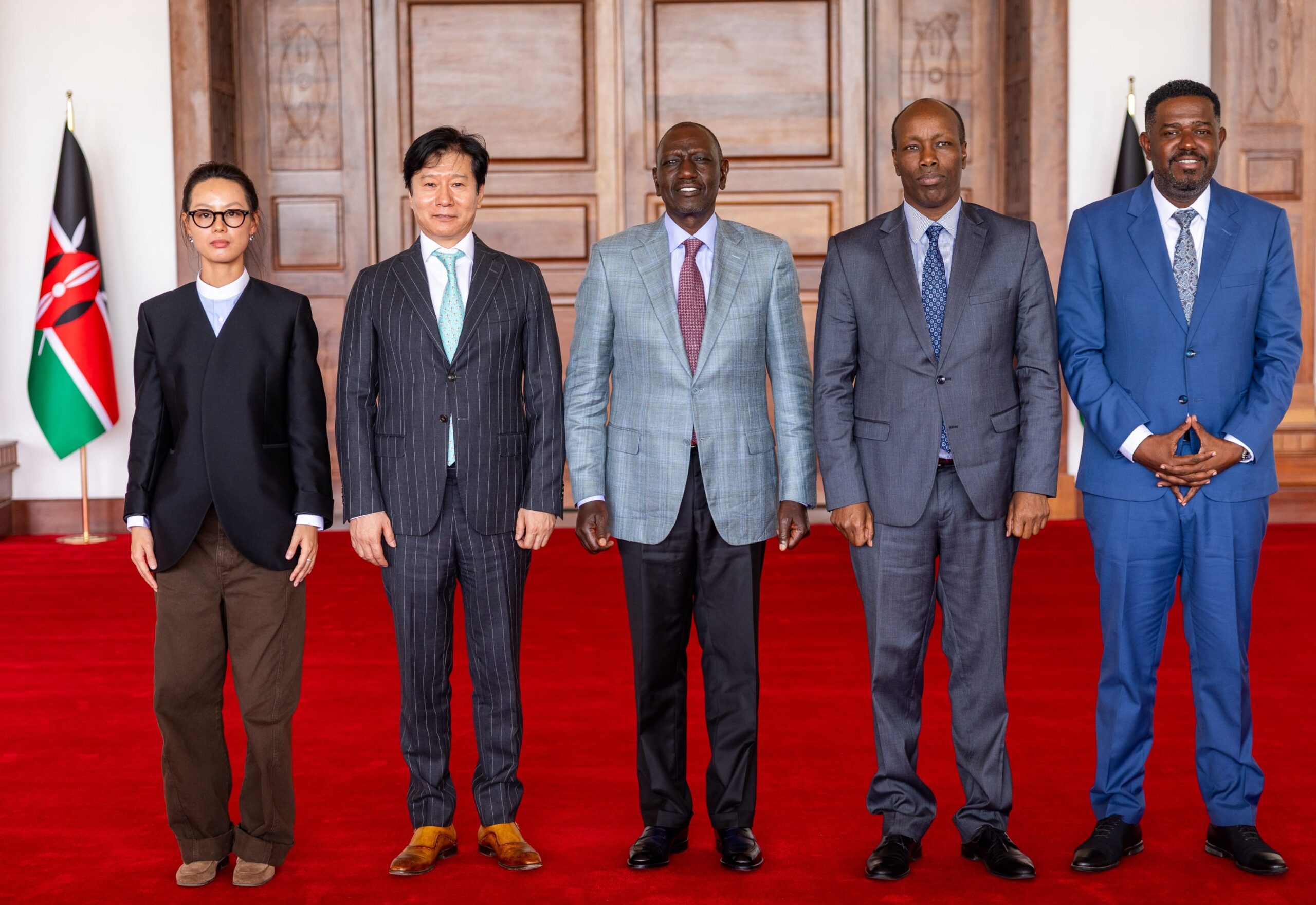
On 6 October the Government of Kenya and Endelevu Enterprise Corporation signed a memorandum of understanding for a US$3 billion, KSh390 billion electric‑vehicle programme that would add two assembly facilities and a network of charging hubs.
A further component of the proposal is the construction of 1,000 solar‑powered charging hubs and a digital platform that could support up to 100,000 electric vehicles on Kenya’s roads.
The government estimates the scheme could generate roughly 2,000 direct jobs, more than 20,000 indirect jobs and up to 80,000 additional positions in fleet management and related services.
While the MoU outlines the scale of the investment, it does not disclose financing arrangements, factory locations, construction schedules or a start‑up date for production.
President William Ruto highlighted the ambition to supply not only Kenya but also the wider East African market, noting that regional demand could help justify the large manufacturing capacity.
The MoU was presented as a non‑binding agreement, with the text not yet published, and the investment ministry and Invest Kenya were tasked with securing land, approvals and infrastructure to move the project forward.
Kenya’s broader e‑mobility ecosystem already includes local assembly of electric buses and vans, expanding battery‑swap networks, and a charging network of 235 stations in 2025, positioning the country to support larger‑scale manufacturing.
Policy support for the sector includes the National Electric Mobility Policy, which offers zero‑rated VAT on electric buses, motorcycles, bicycles and lithium‑ion batteries, as well as ongoing work with the IFC on an E‑Mobility Bill and related incentives.
Analysts caution that the project's impact will ultimately depend on the proportion of components produced locally, the development of a domestic supply chain, and the ability to attract regional export orders, rather than the headline investment figure alone.




Comments