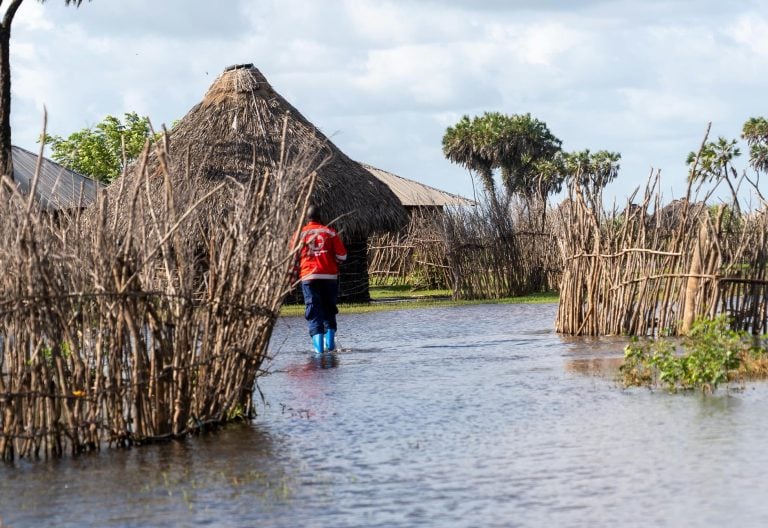
The Ministry of Interior and National Administration announced that a national response plan is now active to provide timely assistance to Kenyans facing heightened flood and rain‑related risks.
Multi‑agency teams comprising the Kenya Coast Guard Service, Kenya Defence Forces, National Police Service, Kenya Red Cross Society and National Youth Service will coordinate evacuation efforts.
Designated evacuation and displacement centres have been set up, with a standardised registration system to track displaced persons and deliver assistance.
Alternative access routes will be opened where roads are disrupted and air support will be mobilised through the National Disaster Operations Centre if required.
The Public Health Emergency Operations Centre and the Incident Management System have been deployed to strengthen disease surveillance, distribute water‑treatment products and ensure continuity of therapeutic nutrition supplies.
Pre‑positioned food stocks are ready for release in ten priority counties, including Tana River, Garissa, Kisumu, Busia, Nakuru, Mombasa, Kilifi, Wajir, Mandera and Turkana.
Relief stocks and emergency shelter materials have also been pre‑positioned for rapid deployment to evacuation sites, with protection monitoring mechanisms prepared to identify vulnerable groups.
Location‑specific agricultural advisories, intensified animal disease surveillance and assessments of school facilities are planned to support farmers, livestock owners and the education sector.
Coordination will be led by the National Disaster Operations Centre, with county governors and County Disaster Risk Management Committees overseeing local implementation and technical guidance from national agencies.
Refugee operations in Dadaab, Kakuma and Kalobeyei remain under UNHCR and the Department of Refugee Services, while the government continues to monitor conditions through NDOC and county structures.
The World Meteorological Organisation expects a positive Indian Ocean Dipole and strengthening El Niño conditions through September‑November, underscoring the need for the activated plan.




Comments