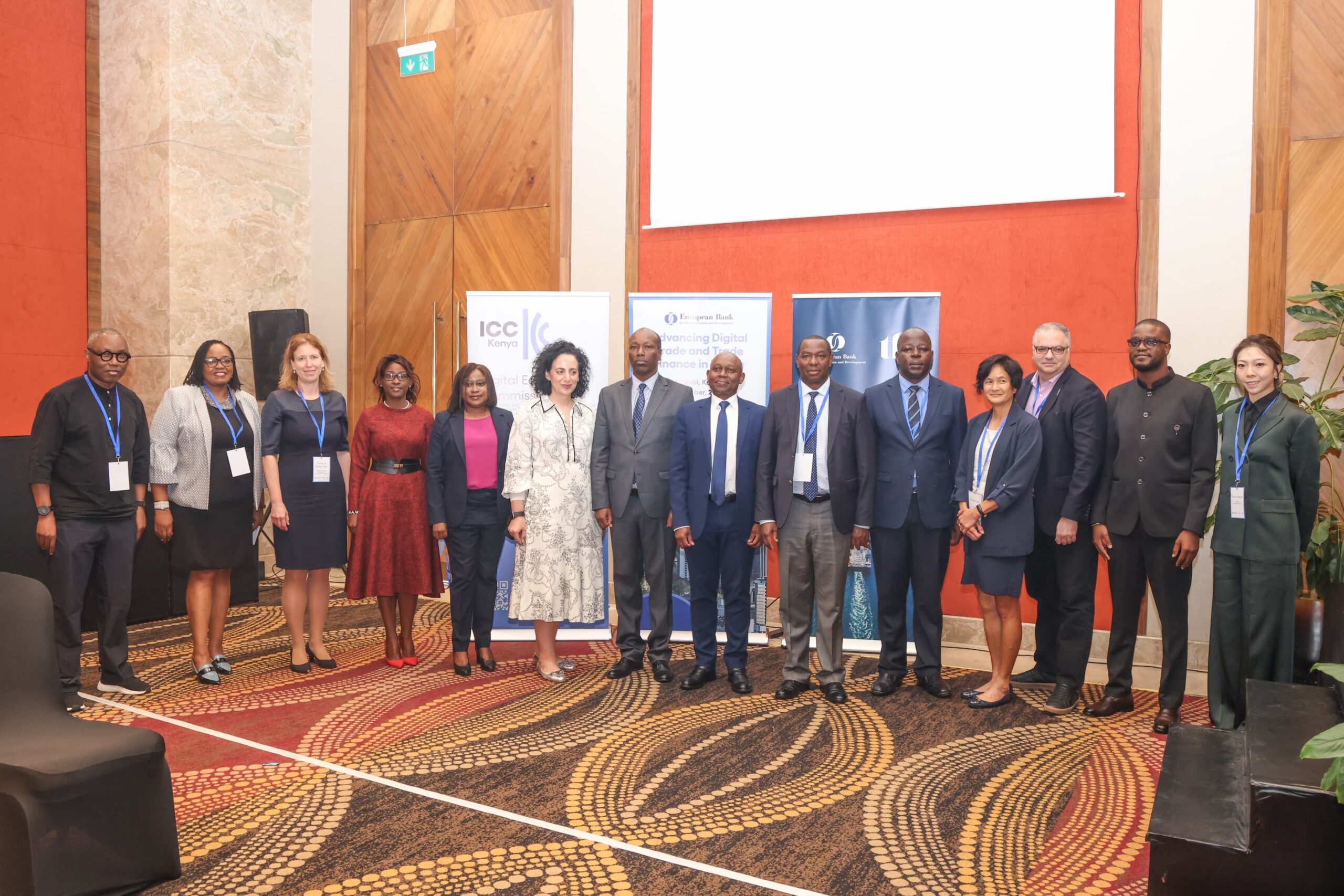
Cabinet Secretary for Investment, Trade and Industry Lee Kinyanjui said Kenya wants to become a leading African digital‑trade hub, but highlighted infrastructure, logistics, financing and regulation as critical barriers.
The government projects the digital economy could add Sh662 billion to GDP by 2028, while the global digital‑trade market was valued at $8.75 trillion in 2025, roughly a quarter of worldwide trade in goods and services.
Kenya already has a strong foundation: by June 2026 there were almost 88 million SIM subscriptions, 52.26 million smartphones and nearly 55 million mobile‑broadband subscriptions, providing a large addressable base for digital businesses.
Mobile‑money providers are expanding beyond person‑to‑person transfers. Safaricom and Pesapal launched M‑Pay tap‑to‑pay and dynamic QR payments in October, targeting 500,000 merchant outlets within a year, while Airtel Money is set to issue Mastercard‑powered virtual cards for international purchases.
M‑Pay’s global payments revenue rose 22.3 percent to KSh4.8 billion in the financial year ended March 2026, reflecting growing demand for international digital commerce through mobile‑money balances.
Financing remains a bottleneck: a $10 million trade‑finance facility signed between the African Development Bank and Family Bank will expand foreign‑currency access for SMEs in manufacturing, agriculture, health and renewable energy, addressing a continent‑wide trade‑finance gap estimated at over $74 billion.
Logistics and customs also limit digital trade. Kinyanjui warned that even with instant online orders, delays at borders, high shipping costs and fragmented delivery networks can hinder cross‑border sales.
Regulatory reforms are underway. The proposed National Payment System Bill would give the Central Bank broader oversight of payment service providers, covering interoperability, open finance, cross‑border payments and system transparency, aiming to reduce friction across the transaction chain.
Kinyanjui said future investment will focus on narrowing the urban‑rural connectivity gap and boosting digital skills among MSMEs, women and youth, recognizing that without connectivity and capacity the digital market cannot be inclusive.




Comments