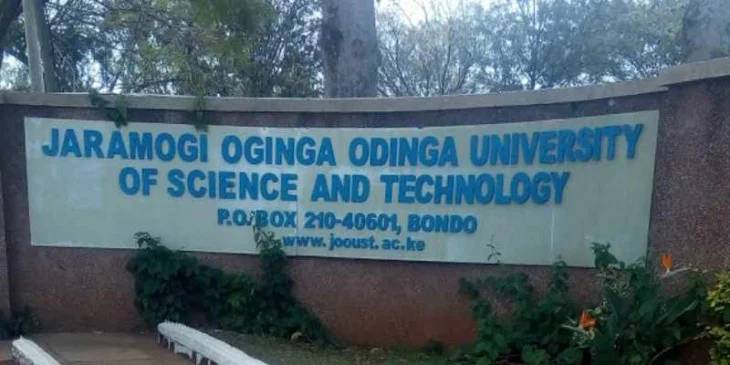
Jaramogi Oginga Odinga University of Science and Technology (JOOUST) has begun a multi‑stress agricultural research initiative aimed at reversing decades of declining maize productivity in Kenya.
The programme is set for an initial four‑year term with the possibility of extending to eight years, focusing on the Lake Victoria basin where 2026 saw widespread crop failures that threatened food and feed security.
Project leader Prof. Denis Ochuodho highlighted that maize, a staple crop, is under pressure from climate change, water scarcity, nitrogen stress and pests such as stemborer and leaf rust.
The research consortium brings together six German universities, including the University of Göttingen and the University of Hohenheim, providing expertise for the collaborative work.
Seven sub‑projects will examine combined biotic and abiotic stresses, integrating agronomy, crop phenotyping, entomology and socio‑economic assessments to develop multi‑stress‑tolerant maize varieties.
Deputy Vice‑Chancellor Prof. Julius Manyala noted that the initiative adds to JOOUST’s portfolio of 18 active projects valued at roughly 1.8 billion Kenyan shillings and will raise the university’s global visibility.
The programme also aims to train a new generation of interdisciplinary postgraduate scientists who can translate research findings into practical advice for both small‑scale and large‑scale farmers.




Comments