The World Health Organization has told Kenya not to impose blanket travel or trade restrictions following the country’s first confirmed Ebola case, arguing that targeted screening and contact tracing are more effective in containing the virus.
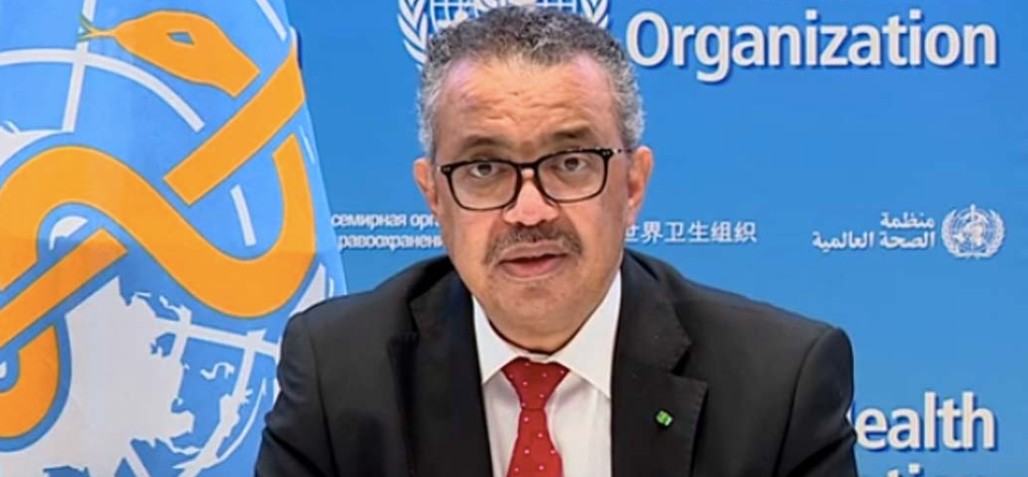
WHO Director‑General Dr Tedros Adhanom Ghebreyesus said Kenya acted promptly after a Kenyan citizen contracted Ebola in the Democratic Republic of Congo, travelled through Kampala, Uganda and arrived at Jomo Kenyatta International Airport.
Tedros explained that closing borders is less effective than screening travellers at designated entry points, a stance he reiterated while speaking to the media on October 7.
He also noted a conversation with Kenya’s Health Cabinet Secretary Aden Duale, praising the government’s swift reporting of the case to WHO under the International Health Regulations.
Kenyan authorities have placed ten people in quarantine and are tracing 57 contacts, including airline passengers and crew who travelled with the patient.
The patient was isolated at Nairobi Hospital upon arrival and later died, underscoring the need for rapid identification and isolation of cases rather than broad travel bans.
Tedros warned that while overall Ebola transmission is declining, new hotspots continue to emerge near Kenya’s border with South Sudan, reinforcing the importance of vigilant screening at points of entry.




Comments