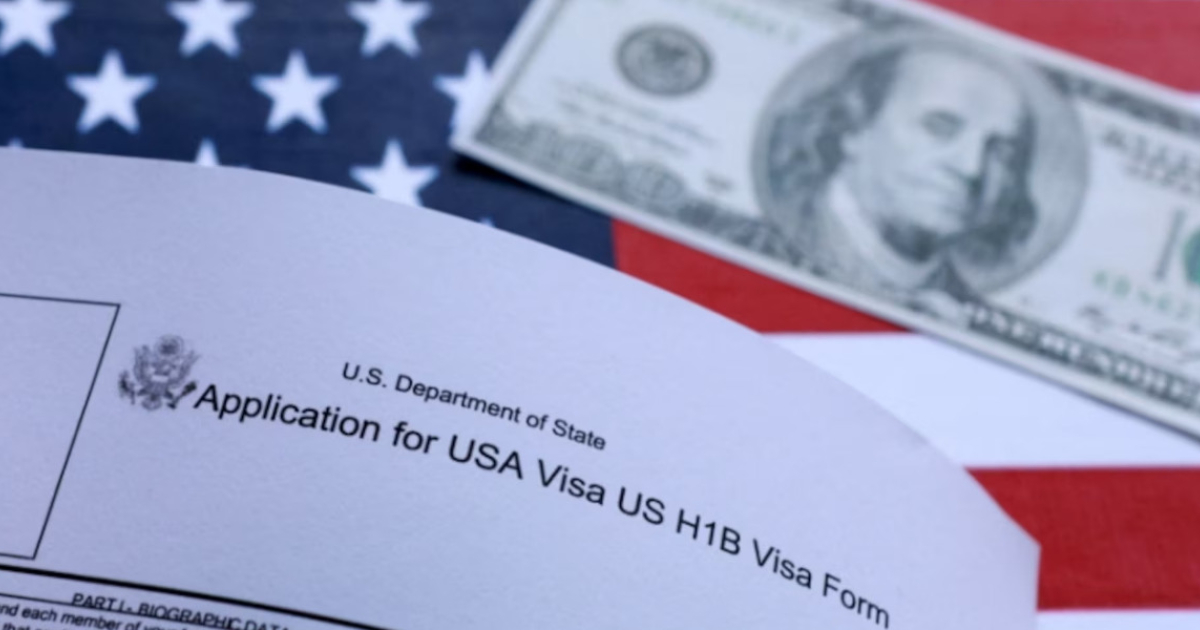
The Department of Homeland Security announced a rule that would eliminate the 60‑day grace period for foreign workers on employment‑linked visas, obliging them to depart the United States as soon as their job ends.
Under the proposal, a worker’s non‑immigrant status would terminate the day after employment ends, removing the time previously allowed to find a new sponsor or arrange departure.
The rule, signed by DHS Secretary Markwayne Mullin, is slated for publication in the Federal Register on 11 September and will be open for a 60‑day public comment period before a final decision is made.
Background on the 60‑day grace period
The grace period was introduced in 2017 under the Obama administration to give workers on visas such as H‑1B, L‑1, O‑1, TN and dependants on H‑4 a window to secure a new employer, extend their status, or make travel arrangements after a job loss.
DHS argues that removing the grace period will restore a direct link between employment and immigration status and reduce the administrative burden of handling transitional cases.
Potential effects on workers and businesses
DHS estimates that more than 65,000 foreign workers used the grace period between 2021 and 2025 after layoffs or employer changes.
Eliminating the period could force workers to leave the United States immediately, seek new positions from abroad and undergo a fresh immigration process, a scenario described by a former DHS official as shifting rather than reducing administrative burdens.
Business groups, including the US Chamber of Commerce, have warned that the change could reduce workforce flexibility and affect US competitiveness, noting the grace period previously helped minimise disruption when workers changed jobs.
Public comment period and next steps
The proposed rule will be open for public comment for 60 days; after that, DHS will decide whether to issue a final regulation.


Comments