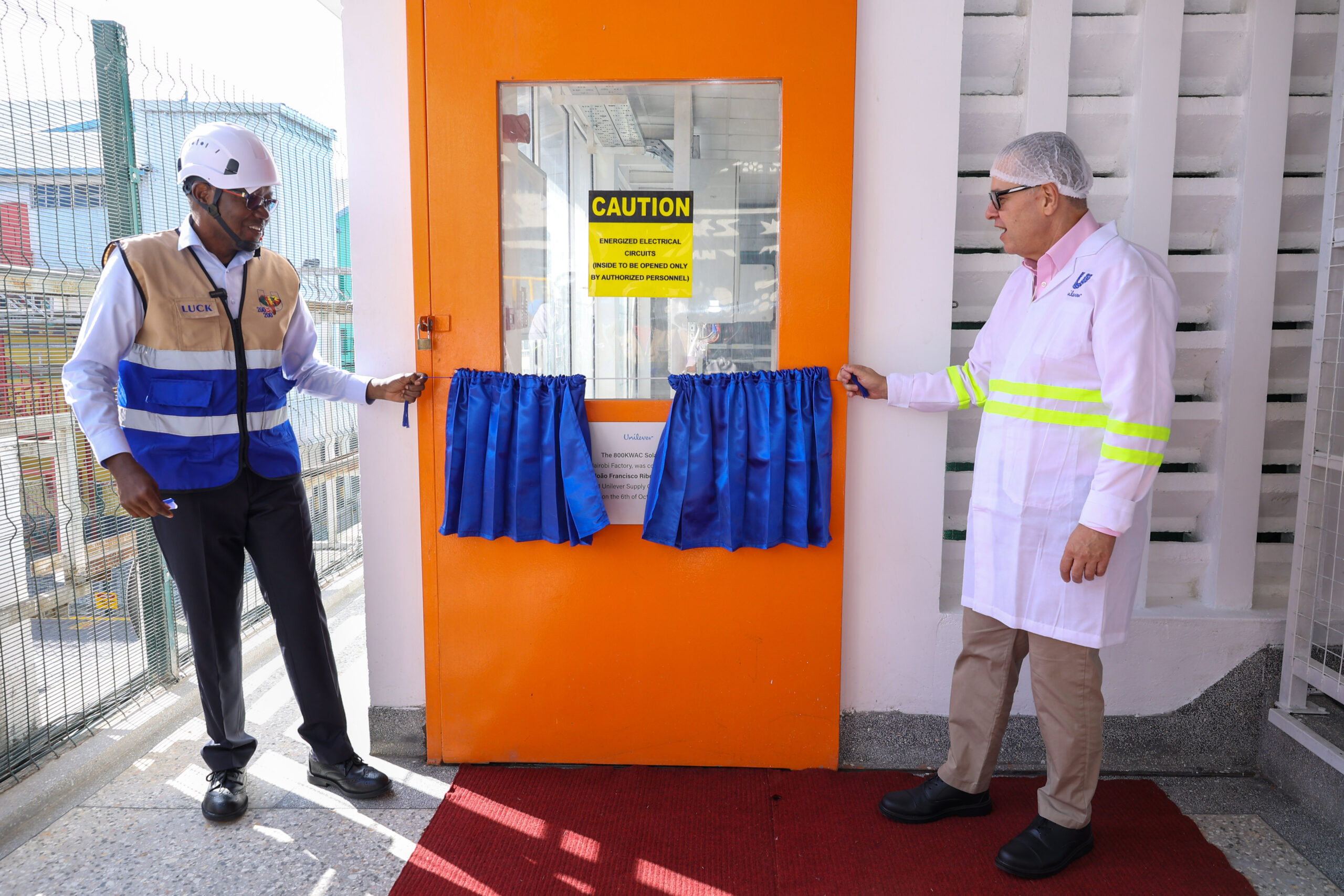
Unilever has committed approximately $540,000 (KES 70 million) to an 800‑kilowatt solar installation at its Nairobi manufacturing site, with the goal of generating about 30 percent of the factory’s electricity needs.
The company projects annual energy cost reductions of roughly $230,000 (KES 30 million), which it says will make power expenses more predictable and lessen reliance on the national grid.
Based on the projected savings, Unilever estimates the solar system could recoup its capital outlay in about 2.3 years, not accounting for financing, maintenance or other operating costs.
The move comes as electricity remains a major operating expense for Kenyan manufacturers, with the World Bank estimating the average cost at $0.23 per kilowatt‑hour, and Kenya Power’s large‑consumer tariff having slipped only marginally to KES 18 per unit in the year to June 2026.
A proposed tariff increase for July 2026 was frozen by the government amid cost‑of‑living concerns, prompting more firms to shift consumption to off‑peak periods or invest in alternative power sources.
Over 2,600 businesses were reported to be using Kenya Power’s discounted time‑of‑use tariff in the year ended June 2026, reflecting growing interest in managing electricity bills through such schemes.
Unilever also noted that emissions from the Nairobi factory are now about 40 percent below 2023 levels, a reduction attributed to multiple measures including the solar plant and a shift from heavy‑fuel oil to biomass for boiler operations.
Company officials highlighted that the solar project forms part of a broader sustainability programme aimed at further reducing fossil‑fuel use, with plans to replace hot‑air generation fuel with biomass‑based alternatives.


Comments