
The International Atomic Energy Agency confirmed in May that Rwanda entered Phase 2 of its nuclear power programme, focusing on contracting and building a Small Modular Reactor (SMR).
Russia’s Rosatom and U.S. firm Holtec International are the principal partners, providing site‑study support, funding mobilisation and safety expertise for the SMR project.
Rwanda aims to have its first SMR operational in the early 2030s; the unit can generate up to 300 MW, is factory‑built, and suited to the country’s mountainous terrain.
Financing remains a challenge; the Rwanda Atomic Energy Board is consulting the United Nations Economic Commission for Africa and exploring funding options, while the African Development Bank and World Bank are reassessing their stance on nuclear financing in Africa.
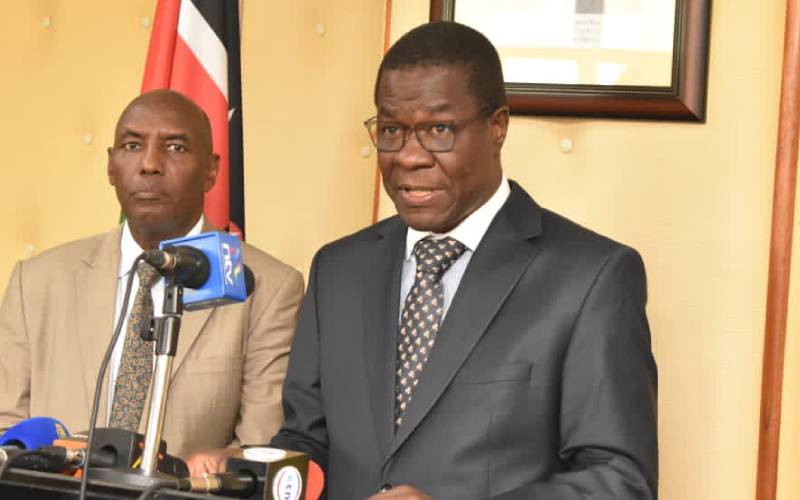
At the 70th IAEA General Conference, Minister of State for Infrastructure Armand Zingiro announced plans to use nuclear and isotopic techniques to boost agricultural productivity, food safety and climate resilience, linking the effort to the Atoms4Food initiative co‑led by the IAEA and FAO.
The minister also highlighted nuclear applications in healthcare, including radiopharmaceutical production and PET imaging to improve cancer diagnosis and treatment.
Rwanda hosted IAEA Integrated Nuclear Infrastructure Review missions in March and July 2026, which produced recommendations on legislation, policy and capacity building; the government has issued an Integrated Work Plan to implement those recommendations.



Comments