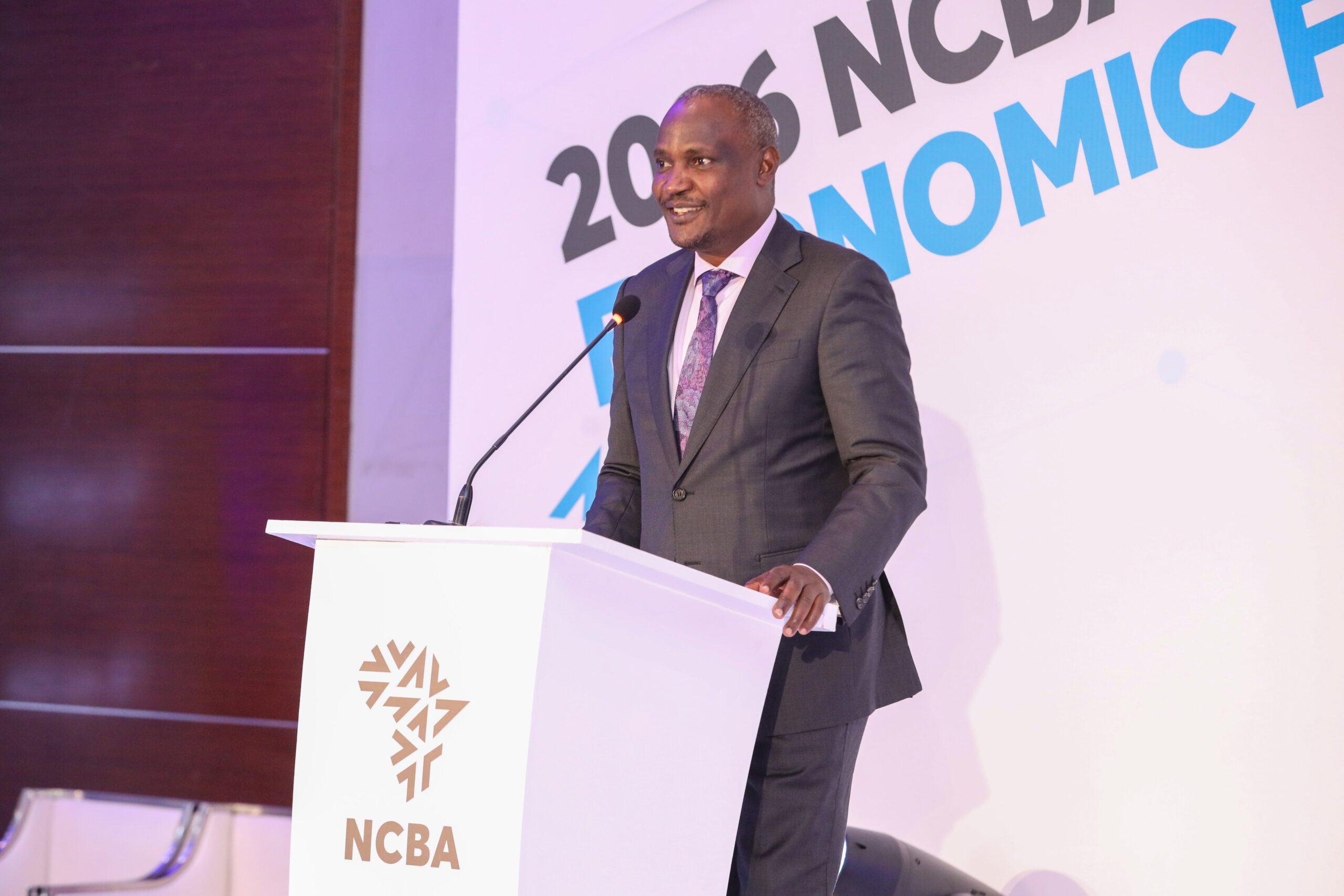
At the NCBA Economic Forum 2026, Treasury chief John Mbadi urged Kenyan banks to direct more financing toward small and medium‑sized enterprises (SMEs) as part of a broader push for private‑sector investment and job creation.
Mbadi’s remarks framed business lending as a key element of the productive economy, linking credit availability to employment and overall economic activity.
He highlighted that many SMEs lack the collateral, consistent financial records, or borrowing history required for conventional loans, creating a gap that digital banking could help fill.
Technology providers are encouraged to move beyond simple mobile loan applications, integrating payment, sales and other business transaction data to give lenders a fuller picture of creditworthiness.
Digital payment records can reveal sales volume, payment frequency and cash‑flow patterns, offering alternative data points for credit assessment, especially for merchants without formal accounting.
Kenya’s market already features platforms that combine merchant payments with financing services; NCBA’s LOOP BIZ+ integrates payment acceptance, working‑capital loans, supplier credit, overdrafts and inventory management on a single merchant interface.
Such platforms allow banks and fintech firms to link financial products directly to daily business operations, using transaction data to inform loan terms and monitor repayment capacity.
However, increased data does not guarantee loan eligibility; lenders must still evaluate repayment ability, manage credit risk and tailor products to each SME’s circumstances.
The opportunity lies in combining transaction insights with sound credit models to create products aligned with sales cycles and working‑capital needs, potentially expanding access for viable businesses.
Mbadi’s call places responsibility on banks to leverage digital tools, ensuring that credit reaches more productive SMEs and supports their growth within Kenya’s economy.




Comments