Project Matador, a privately developed energy and artificial‑intelligence campus near Amarillo, Texas, has cleared a significant federal environmental review, marking the latest step toward a 17‑gigawatt power grid.
The U.S. Nuclear Regulatory Commission published a draft environmental review for four proposed Westinghouse AP1000 reactors and staff recommended preliminary approval of combined licenses, though final authorization has not yet been granted.
The four reactors would provide roughly 4 GW of carbon‑free baseload electricity intended to power large‑scale computing facilities that require continuous, reliable supply.
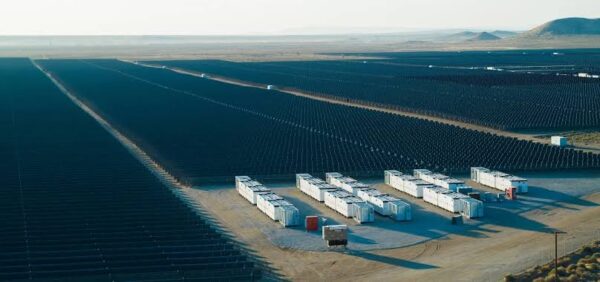
Beyond nuclear, the campus plan incorporates natural‑gas generation, solar installations, battery storage and connections to the existing utility grid, a diversified mix aimed at resilience and phased capacity growth.
Fermi America has installed gas pipelines, water lines and perimeter fencing, and is clearing and grading the more‑than‑5,000‑acre site under a 99‑year ground lease with the Texas Tech University System.
The initial two development phases were previously estimated to cost over $2 billion, with Phase 0 and Phase 1 capital spending projected to exceed $3 billion, though the total cost of the full 17‑GW buildout remains unconfirmed.
Project delivery is planned in stages: early power will come from natural‑gas generation while the nuclear licensing process proceeds, with additional capacity added as tenant commitments, financing and equipment procurement materialise.
The NRC’s schedule targets a final environmental impact statement by December 2026; mandatory hearings and the final licensing decision have not yet been assigned confirmed dates.
Technical partners reported include Westinghouse (reactor design), Hyundai Engineering & Construction (nuclear engineering), ENERCON, Preferred Licensing Services and Siemens Energy for turbine equipment, reflecting a broad supply chain supporting the phased build.
If fully realised, the campus would host up to 15 million square feet of AI‑ready computing infrastructure, creating a dedicated electricity network for high‑performance computing that bypasses traditional grid‑connection delays.




Comments