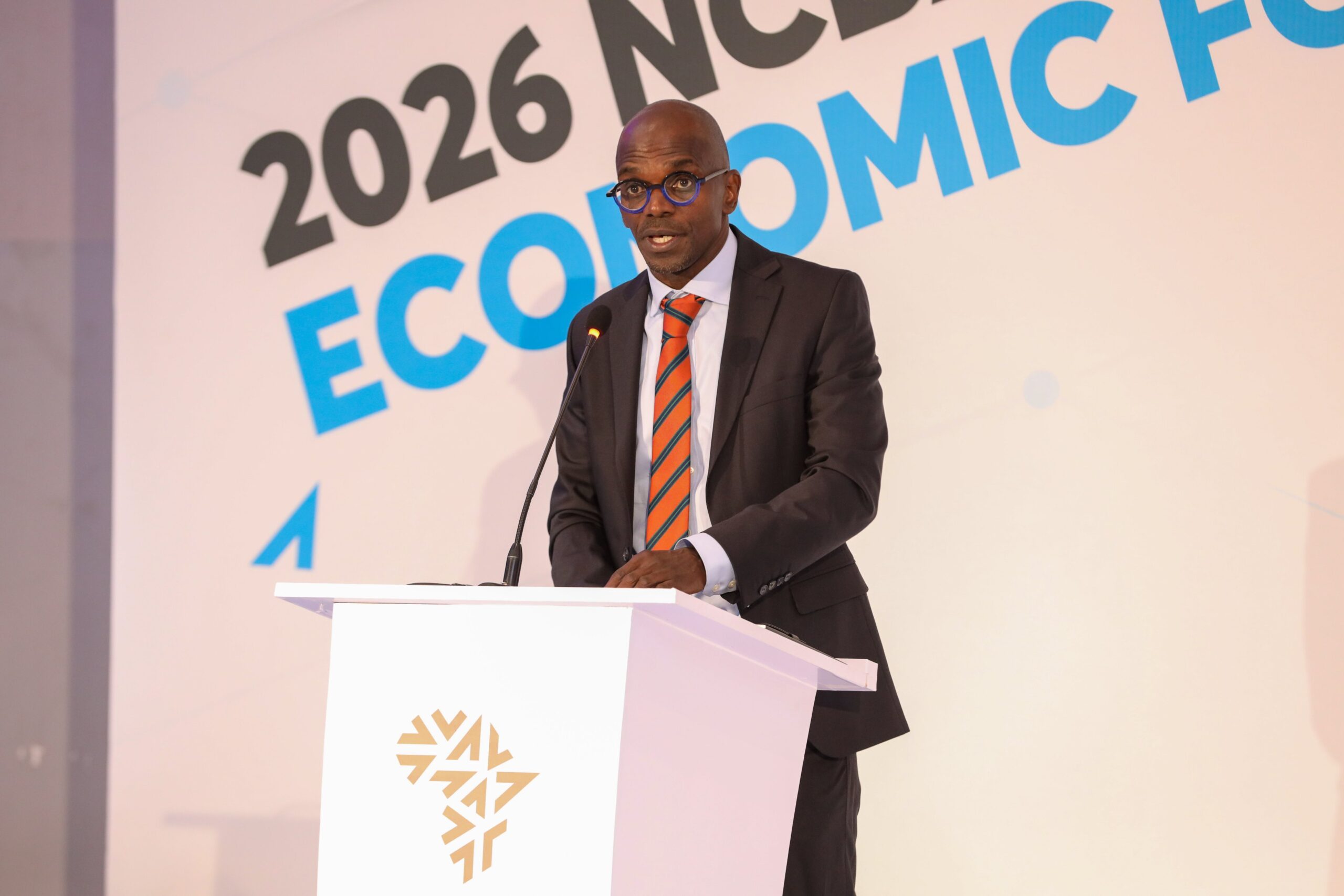
At the NCBA Economic Forum 2026, analysts highlighted a gap between Kenya’s improving macro‑economic conditions and the performance of businesses, investors and the labour market.
NCBA Group’s Global Markets and Chief Economist Raphael Agung projected GDP growth of 4.8% for 2026 and 4.5% for 2027, with inflation possibly reaching 7.5% by March 2027 and agriculture expanding by about 4.4%.
World Bank Country Director Qimiao Fan noted that roughly 84% of Kenyan employment remains informal, underscoring the difficulty of converting national growth into stable, productive jobs.
Fan identified weak foreign direct investment as a key constraint, with FDI staying below 0.5% of GDP since about 2018, compared with 1.5%‑2% typical of lower‑middle‑income peers.
He added that the fiscal deficit sits near 6.8% of GDP and public debt around 70% of GDP, more than half of which is domestic, influencing the availability of credit for private firms.
Agung forecasted private‑sector credit could rise from around 7% earlier in the year to 12% by December, a trajectory that could improve business financing if credit costs and accessibility remain manageable.
The forum concluded that stronger private investment, predictable policy and lower operating costs are essential for translating Kenya’s macro‑economic stability into expanded enterprises and formal employment.


Comments