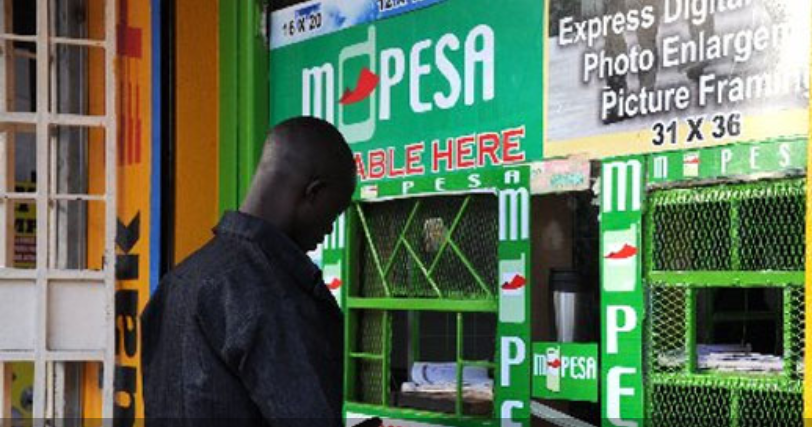
The Communications Authority of Kenya said mobile‑money subscriptions increased 1.2% in the quarter to June 2026, reaching 54.01 million from 53.37 million.
In the same period, the number of registered mobile‑money agents fell 5.6%, dropping from 602,470 to 568,463.
Different measures of agent activity
The Central Bank of Kenya reported 572,104 active mobile‑money agents in June 2026, up from 548,010 in April, indicating that active outlets grew even as the Communications Authority’s registered‑agent count fell.
Because the two regulators use separate reporting frameworks, the registered‑agent figure and the active‑agent count are not directly interchangeable.
Economic pressures on agents and changing usage patterns
Average annual commissions per M‑Pesa agent were estimated at KSh112,244 for the year ended March 2026, down from KSh124,720 in 2025, suggesting tighter margins despite an expanding agent base.
Safaricom’s own data showed its M‑Pesa agent network grew to 333,011 agents in the financial year ended March 2026, up from 298,890 the previous year.
Active agents processed 212.45 million cash‑in and cash‑out transactions worth KSh682.46 billion in June 2026, underscoring the continued importance of physical cash services.
Kenya’s National Financial Inclusion Strategy notes that person‑to‑merchant, government, and wallet‑linked services now account for a substantial share of transaction volume, reducing the need for frequent cash‑in or cash‑out visits.
Implications for users and businesses
While account numbers keep rising, agents remain essential for customers who need to convert cash to digital balances or withdraw funds, as cash continues to play a major role in Kenya’s payments system.
Stakeholders are watching how lower commission income and the growth of digital transaction channels affect the economic viability of individual outlets.

Comments