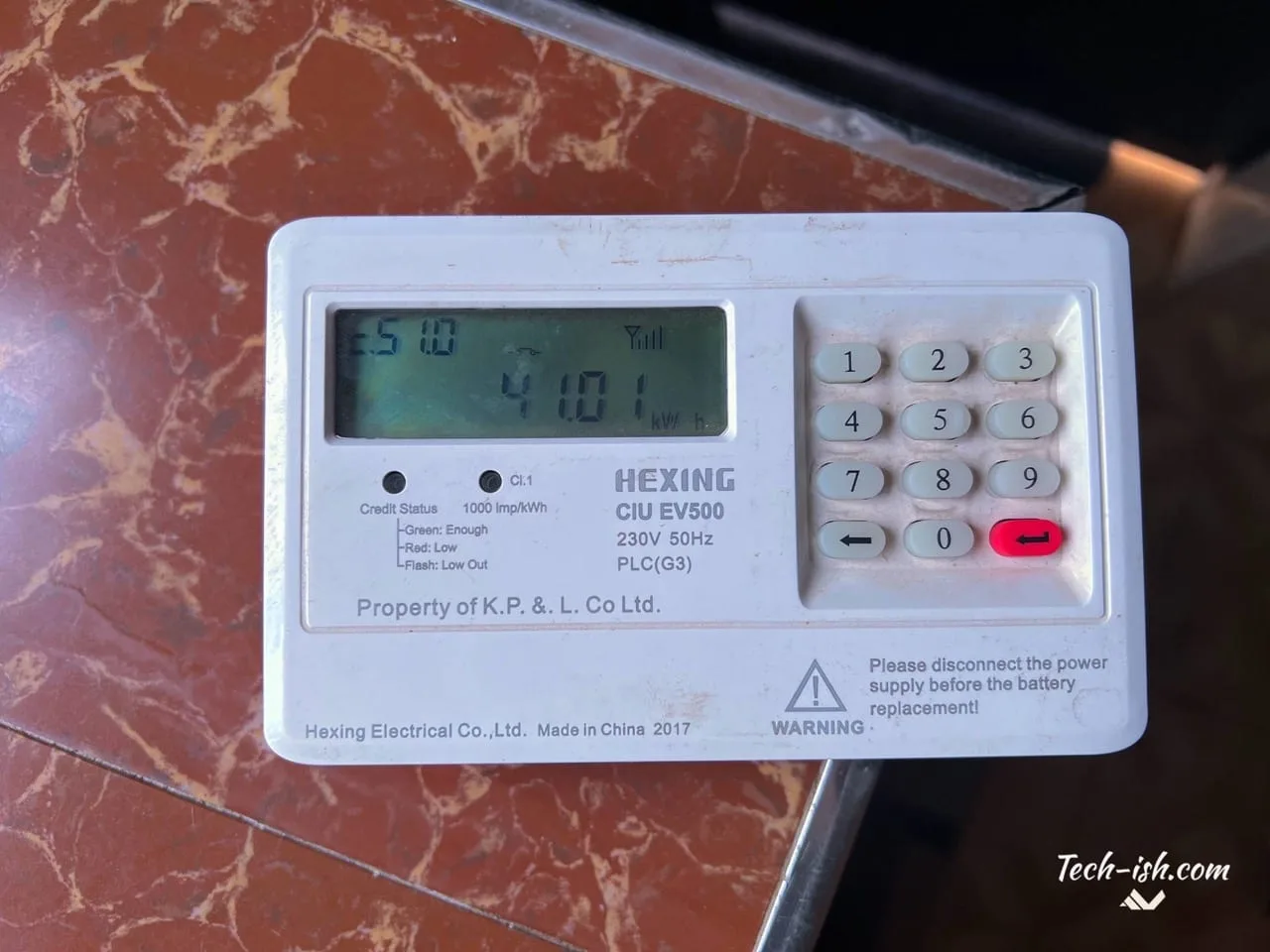
On 11 November 2026 angry customers stormed Kenya Power branches in Naivasha and Roysambu, prompting the utility to issue a statement on 12 November addressing two separate billing cases.
In Naivasha, the utility said a customer’s account had been flagged in January 2026 for drawing unmetered power through a punctured cable; an independent inspection confirmed the loss and a payment plan was later missed.
In Roysambu, an inspection identified a meter anomaly, the meter was replaced, and Kenya Power back‑calculated prior consumption using the new meter’s monthly average, describing the action as “as required by law”.
The utility’s statement did not mention the protests themselves, nor did it explain how the Energy Act limits back‑billing when a meter fails through no fault of the customer.
Legal limits on back‑billing under the Energy Act
Section 159(2) of the Energy Act allows Kenya Power to recalculate charges back to the start of proven consumer tampering and to charge the customer for meter repair or replacement.
If a meter fails without customer fault, Section 159(1) requires the utility to consult the customer and limits estimates to a maximum of six months from the date the defect is confirmed.
A further proviso caps recovery at 30 days when the customer reports a suspected defect and Kenya Power does not examine the meter within that period.
Section 158 also requires written consent or at least 48 hours’ written notice before the utility can connect, disconnect or adjust a meter, with non‑compliance punishable by a fine of at least KES 100,000 and up to six months’ imprisonment.
The Kenya National Distribution Grid Code, endorsed by EPRA, mirrors these duties, obliging distributors to investigate complaints, adjust bills and replace faulty meters at the owner’s cost, and to audit low‑voltage meters every three years.
How consumers can contest a disputed back‑bill
Customers should log every suspected meter defect or billing dispute in writing via Kenya Power’s USSD code *977# (Option 6), the MyPower app, or email to customercare@kplc.co.ke, retaining ticket numbers, timestamps and meter photos to start the 30‑day clock.
A written complaint also protects supply, as Section 160(1)(a) bars disconnection while the dispute is referred to Kenya Power’s EPRA‑approved complaints procedure.
During EPRA mediation, Section 159(4) suspends Kenya Power’s power to recalculate the bill until a decision is made, provided the customer continues to pay for electricity consumed after the dispute is raised.




Comments