Customers who queue at agents often pay withdrawal fees that exceed the amount they are moving, leaving them effectively excluded despite holding a bank account.
The Central Bank and industry bodies note that over eighty percent of adults have some form of formal financial access, yet many keep accounts dormant or rely on cash because fees erode small transactions.
Farmers losing shillings on each produce payment withdrawal and boda‑boda riders paying more in fees than fuel illustrate how high costs act as a hidden tax on low‑income earners.
When transaction costs approach or exceed the value transferred, rational users opt out, turning inclusion statistics into a statistical illusion.
Economists argue that cheap, fast money movement expands the tax base, deepens bank deposits and creates credit histories that can fuel loan growth and overall GDP expansion.
Kenya’s Bottom‑Up Economic Transformation Agenda and its push for a cashless SME sector depend on affordable payment rails to circulate capital between households and businesses.
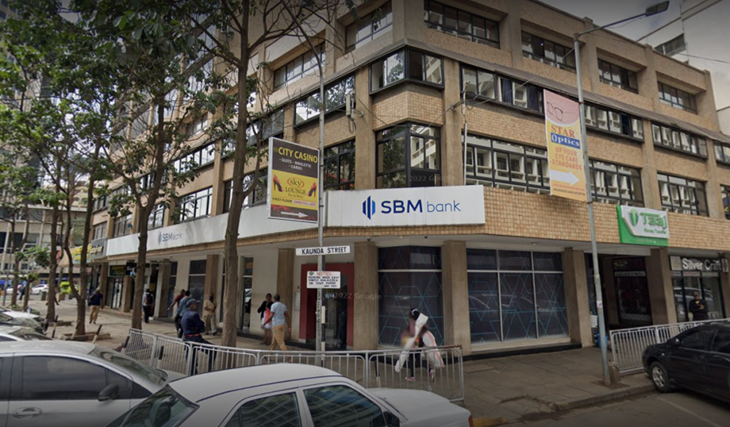
SBM Bank Kenya has removed fees on PesaLink transfers via its Mfukoni app and online platform for amounts from one shilling up to KES 999,999, and has also waived selected ATM withdrawals, including international ones.
The bank describes the fee‑free model as a strategic shift toward earnings from deposits and lending rather than per‑transaction charges, a move it says is already boosting deposits and profitability.




Comments