The State Department for Public Health and Professional Standards warned on Monday that the expected El Niño rains could increase cases of cholera, typhoid and aflatoxin poisoning across Kenya.
Floodwaters are likely to mix with sewage, potentially contaminating shallow wells, boreholes and piped supplies, which could raise water‑borne disease transmission.
Households are advised to keep chlorine tablets, store water in sealed containers, maintain separate vessels for drinking water and boil water before use to minimise contamination.
To curb aflatoxin risk, families should dry maize and groundnuts thoroughly, keep grains off the ground and store them in airtight containers, limiting mould growth encouraged by high humidity.
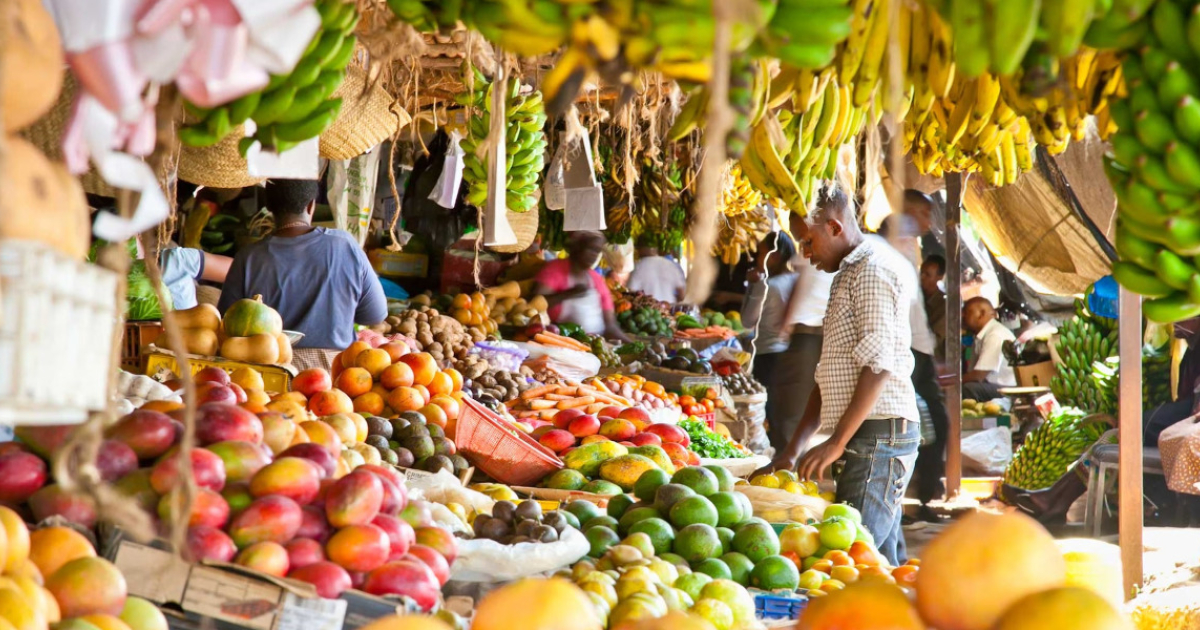
Food vendors are urged to raise produce above floodwater, ensure proper drainage around stalls, cover food and keep hygiene supplies and airtight containers on hand to prevent contamination from water and flies.
Power outages during storms may interrupt refrigeration, making milk, meat and leftovers unsafe for consumption.
County governments will increase food‑safety inspections and require food handlers to keep valid medical certificates, reinforcing regulatory oversight.
Nyumba Kumi groups and Community Health Promoters have been tasked with drainage clean‑ups and public awareness campaigns at the community level.
Authorities are mapping flood‑prone zones and clearing drainage systems, focusing on major markets identified as high‑risk sites for disease spread if preventive measures lapse.
The advisory highlights the need for coordinated sanitation, water safety and food‑handling practices throughout the rainy season to protect public health.


Comments