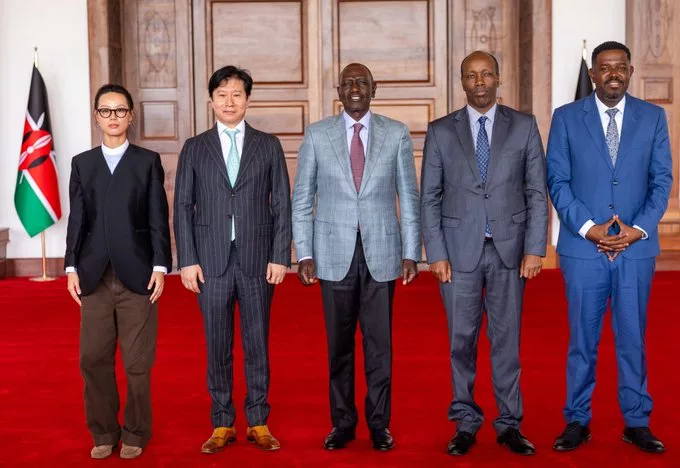
Geely, the Chinese car maker, announced a plan worth about $3 billion to set up electric‑vehicle production in Kenya, with an annual output goal of roughly 150,000 units.
The initiative follows a memorandum of understanding signed between the Kenyan government and Endelevu Enterprise Corporation, under which local factories will assemble electric cars, motorcycles and other light‑mobility models.
Two production lines are envisaged: one capable of building 50,000 four‑wheel electric cars each year, and a second line for 100,000 two‑wheelers and light‑mobility vehicles.
The plan also includes the rollout of 1,000 solar‑powered charging stations nationwide and a digital system to monitor up to 100,000 electric vehicles.
President William Ruto attended the signing ceremony at State House in Nairobi, stressing Kenya’s aim to attract EV investment and lessen dependence on imported cars and fossil fuels.
Government estimates suggest the project could create about 2,000 direct jobs and more than 20,000 indirect positions in related sectors such as parts supply, logistics, charging infrastructure and maintenance.
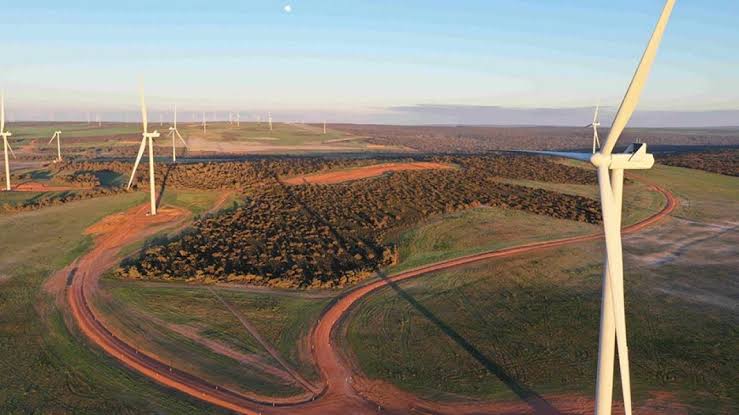
Ruto highlighted Kenya’s largely renewable electricity mix—geothermal, hydro, wind and solar—as a strategic advantage for scaling electric transport and positioning the country as a regional manufacturing hub.
While the MoU outlines the partnership framework, specifics such as financing details, plant locations, construction timetable and the start date for production have not yet been disclosed.
If the facilities meet East African Community rules of origin, vehicles manufactured in Kenya could be exported to neighboring markets, expanding the regional supply chain.
Geely will bring its automotive and electric‑vehicle expertise to the venture through its partnership with Endelevu, aiming to shift Kenya from an importer to a local producer with supporting infrastructure.



Comments