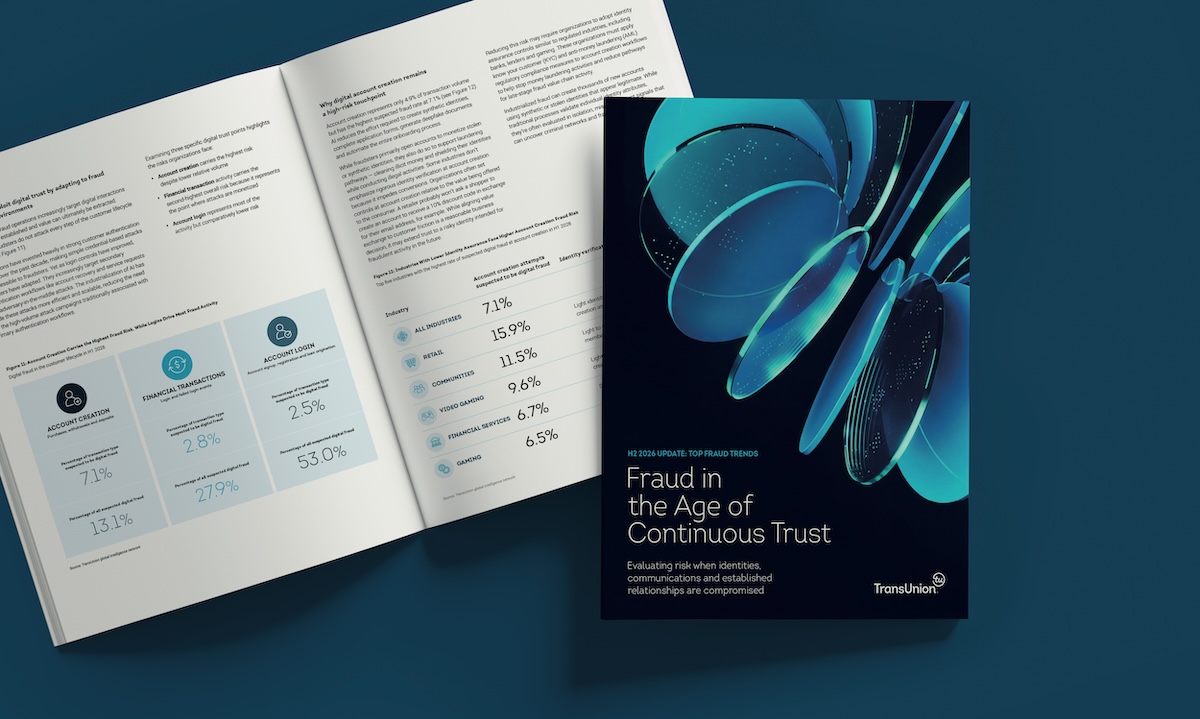
According to TransUnion’s H2 2026 Top Fraud Trends Report, 77% of Kenyans said they had been targeted by a digital fraud scheme in the past three months.
The most common method reported was fraudulent text messages, or smishing, which accounted for 41% of the attacks.
Fraudulent phone calls (vishing) were close behind at 40%, while phishing via fake emails, websites or social‑media posts was reported by 39% of respondents.
Beyond financial loss, 75% of Kenyans expressed worry that stolen identities could be used to commit crimes, and 42% feared misuse of their data to infiltrate workplace systems.
When asked which attack vectors concerned them most, 56% cited personal information exposed in data breaches and another 56% highlighted email phishing, while 46% were uneasy about data interception on public Wi‑Fi.
TransUnion’s CEO for Kenya, Morris Maina, warned that trusted communications often serve as the first step in account fraud and urged businesses to treat these channels as part of a broader trust journey.
Data from TransUnion’s African client base shows that 94% of suspected digital fraud incidents in the first half of 2026 occurred at account login, compared with a global average of 53%, underscoring the reliance on compromised credentials.
Financial services recorded the highest suspected fraud rate among industries, at 3%, a figure linked by TransUnion to the growth of digital banking, mobile‑money lending and real‑time payments.
Maina recommended stronger onboarding and additional verification for high‑risk actions such as account recovery, SIM changes, device switches, contact‑detail updates or unusual payments.
The report also flagged AI‑enabled adaptive attacks as a global trend, noting that 58% of surveyed business leaders worldwide are very concerned that fraud is evolving faster than their detection capabilities.
Maina cautioned that generative AI could empower small, highly automated fraud operations, making existing scams faster, cheaper and more scalable.
The findings arrive amid heightened scrutiny of Kenya’s data security, with the government probing claims that 740 GB of data was stolen from the eCitizen platform.




Comments