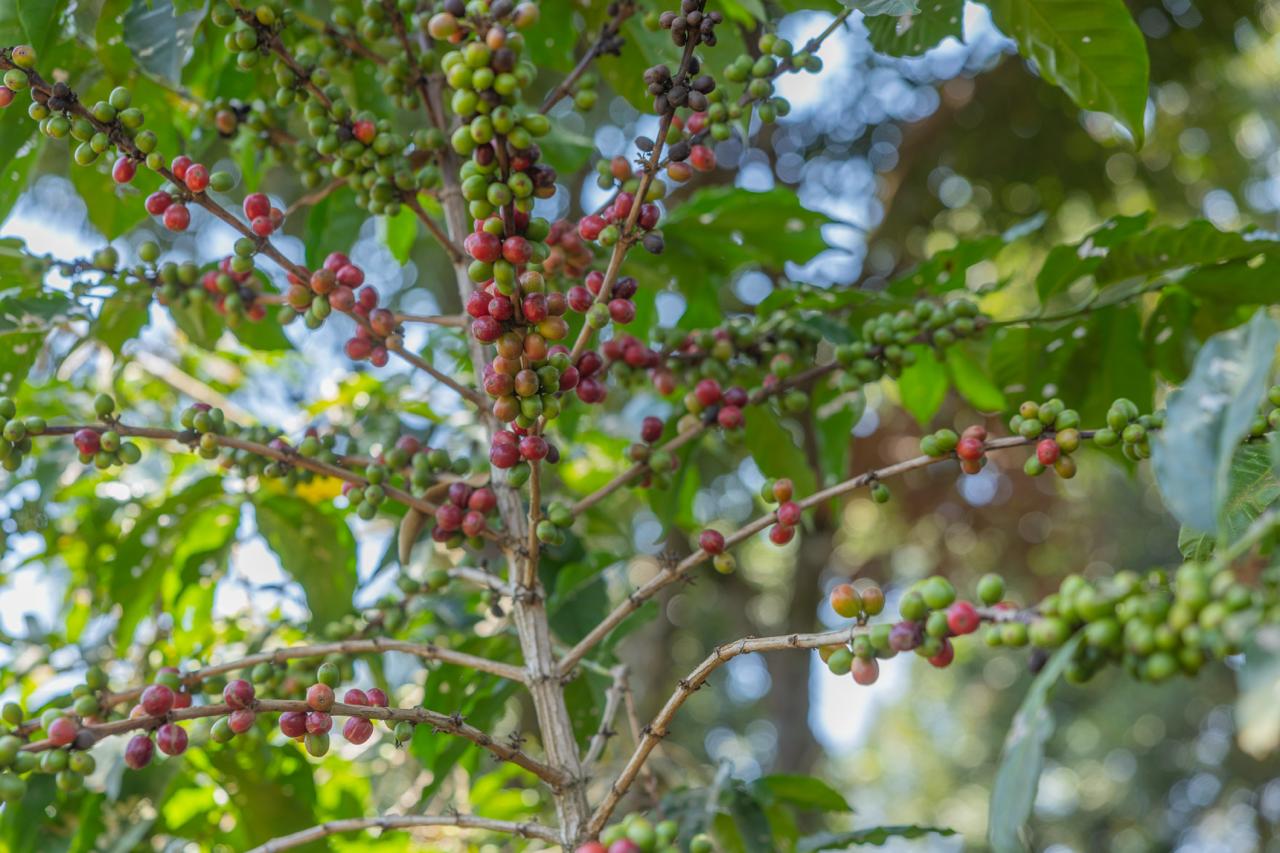
In Kirinyaga County, coffee is once again delivering significant household income as farmers report prices of Sh130‑Sh150 per kilogram, a level that supports farm maintenance and family expenses.
Retired teacher John Ndamberi, who began coffee cultivation in 1986, says the crop is his sole source of income, producing roughly 80,000 kg annually and funding his children’s education and daily needs.
Neighbouring farmer Rose Njoki confirms that coffee proceeds cover food, clothing, livestock purchases and other essential household items, illustrating the crop’s broad economic reach.
At the Baragwi Farmers’ Cooperative Society, Deputy Manager Justus Janja notes that coffee cherry deliveries have risen, with the cooperative paying a record Sh157 per kilogram in the 2025/26 season.
Janja also reports that 68 cooperative members became millionaires from coffee earnings in the previous season, highlighting the crop’s potential to generate substantial wealth for smallholders.
The renewed profitability has attracted a new generation of growers, including motorcycle riders and business owners, who now view coffee as a commercial venture rather than a legacy activity.
Farmers recall a low‑price era when coffee fetched only Sh5‑Sh7 per kilogram, a period that discouraged investment in plantations and led to neglect of inputs.
Improved returns are prompting growers to reinvest in fertiliser, pruning and crop protection, boosting overall productivity across the region.
Nationally, the Kenyan government is supporting the sector through better planting material, farmer training, stronger cooperatives, enhanced market access and value‑addition initiatives.
For many households, coffee earnings translate directly into school fees, farm‑worker wages, fertilizer purchases, new dairy cows and improved food budgets, underscoring the crop’s role as a lifeline for rural economies.




Comments