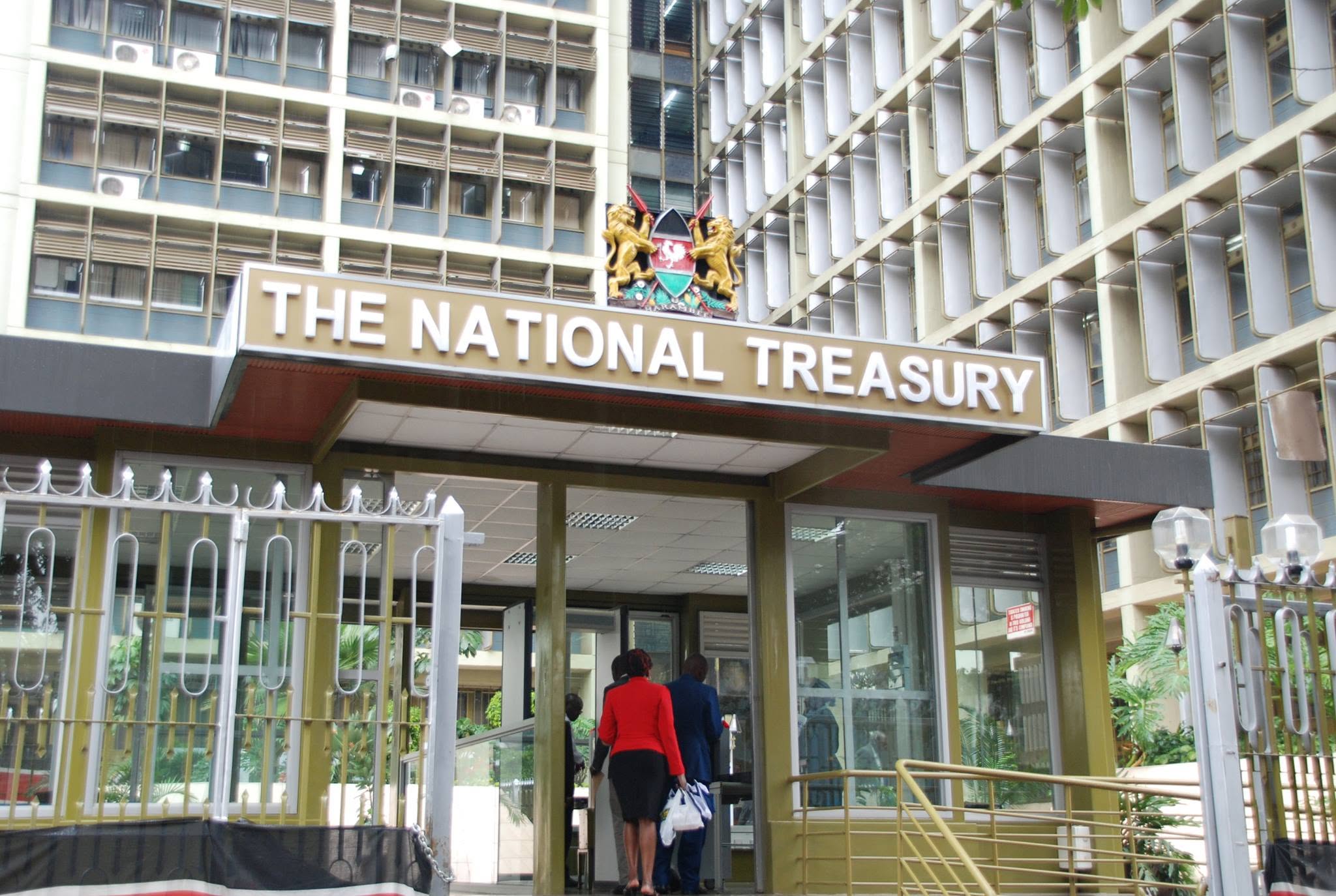
In its 34th Kenya Economic Update, the World Bank urged the Kenyan government to allocate a share of proceeds from the National Infrastructure Fund (NIF) toward retiring high‑cost public debt, a step it says could lower interest expenses and improve debt sustainability.
Kenya’s public debt stood at about 70 % of GDP in mid‑2025/26, with interest payments absorbing roughly one‑third of government revenue, limiting resources for essential services and development projects.
Domestic borrowing now accounts for 56.2 % of total debt, a rise that has deepened sovereign‑bank linkages, heightened refinancing risks and increased borrowing costs, according to the World Bank.
Central Bank data released in August 2026 show total public debt at Ksh 13.5 trillion, split between Ksh 7.7 trillion domestic debt and Ksh 5.8 trillion external debt.
Interest payments remained elevated at 5.8 % of revenue in the last fiscal year, a level attributed to the growing share of domestic debt in the overall portfolio.
The government has already injected Ksh 103.5 billion from the sale of a 65 % stake in Kenya Pipeline Company into the NIF and expects an additional Ksh 204 billion from divesting 15 % of Safaricom shares.
Broader privatization and divestiture programmes aim to create a Ksh 5 trillion fund for infrastructure projects, but the World Bank notes that directing part of these proceeds to debt repayment could further strengthen fiscal buffers.


Comments