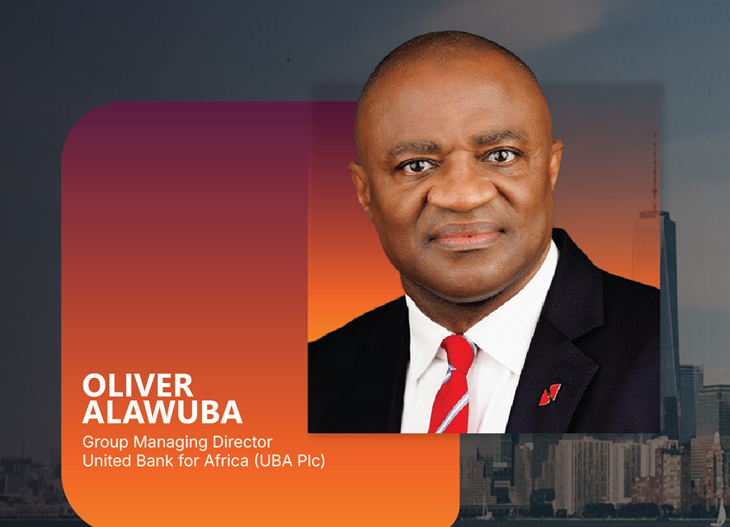
Alawuba stressed that opportunities alone are insufficient; projects need predictable revenue, sound financial structures and credible governance to attract long‑term capital.
He highlighted the role of African banks as partners in development, noting that they should move beyond simple lending to structuring transactions, managing local risks and staying involved throughout the investment cycle.
UBA’s own footprint across 20 African countries and major global financial centres positions it to link international capital with domestic projects, according to Alawuba.
As an illustration, the bank financed a $45 million facility for Oak Asset SPV to build roads in Kenya, extending its involvement to government collections and contractor support within the broader ecosystem.
Alawuba warned that Africa’s perceived risk premium adds an estimated $75 billion in annual costs, making financing more expensive and deterring viable infrastructure and business projects.
He pointed to successful large‑scale deals, such as the Dangote Refinery, as evidence that substantial capital can be deployed on the continent when projects are properly structured.
Finally, Alawuba noted a recent Nigerian banking recapitalisation where three banks raised roughly $3.5 billion, 73 % of it from domestic investors, underscoring the growing importance of African capital alongside foreign funds.




Comments