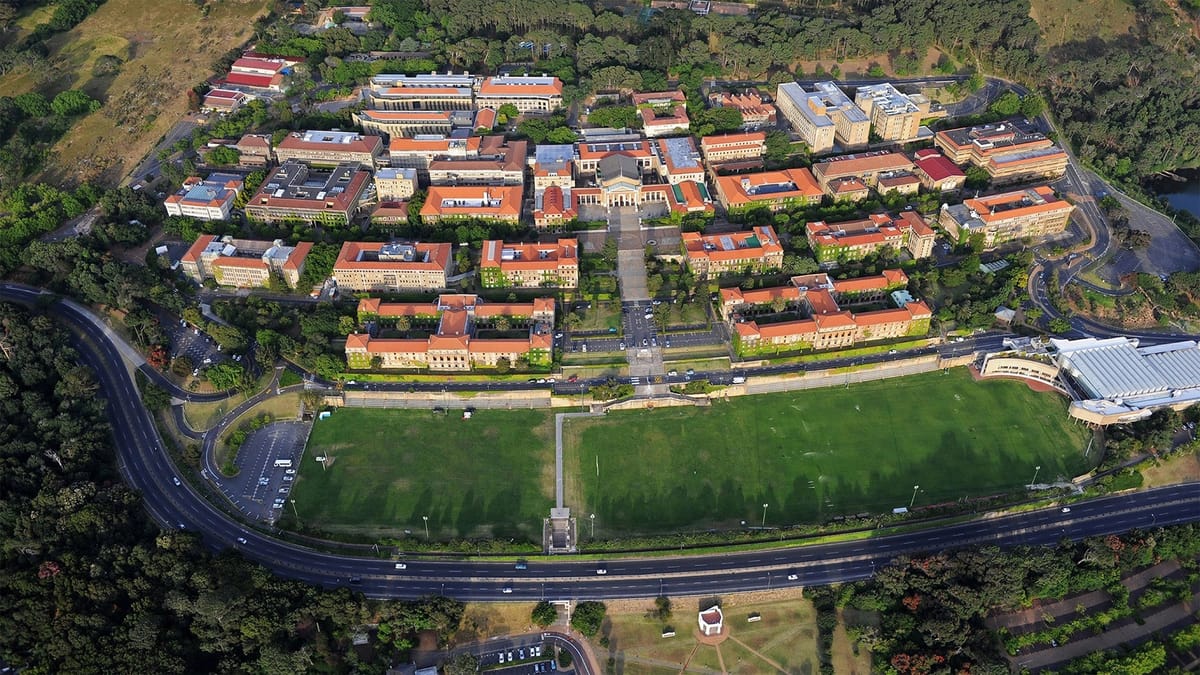
The University of Cape Town (UCT) holds the continent’s highest global position at 150th in the QS World University Rankings 2026, and also leads the Times Higher Education (THE) 2026 table at 164th and the Shanghai ARWU 2026 band of 201‑300.
South Africa is the only African nation with universities inside the QS global top‑300, represented by UCT at 150 and the University of the Witwatersrand (Wits) at 291.
Five South African universities rank inside the global top‑400: UCT (150), Wits (291), Stellenbosch University (302), University of Johannesburg (UJ) (308) and University of Pretoria (UP) (363).
The next institution, University of KwaZulu‑Natal (UKZN), sits at 558th globally, marking the largest gap—195 places—between the fifth and sixth ranked South African universities.
Four universities fall outside the global top‑950: North‑West University (NWU) and University of the Western Cape (UWC) in the 951‑1000 band, while University of the Free State (UFS) and Rhodes University occupy the 1001‑1200 band.
QS’s inaugural Sub‑Saharan Africa 2026 ranking places UJ second regionally, ahead of Wits and Stellenbosch, due to a different weighting of indicators.
Overall, South African universities occupy the top seven positions in QS’s first‑ever Sub‑Saharan Africa table and six of the continent’s ten highest global QS spots.
The rankings are based on the QS 2026 methodology, which evaluates nine indicators including academic reputation, employer reputation, faculty‑to‑student ratio and research citations, using data from 2023‑2024 and published in June 2025.
Differences between QS and THE tables arise from distinct weighting schemes: QS emphasizes reputation surveys, while THE gives more weight to research quality, teaching environment and industry income.
The oldest continuously operating university in sub‑Saharan Africa is UCT, founded in 1829 as the South African College and granted full university status in 1918.


Comments