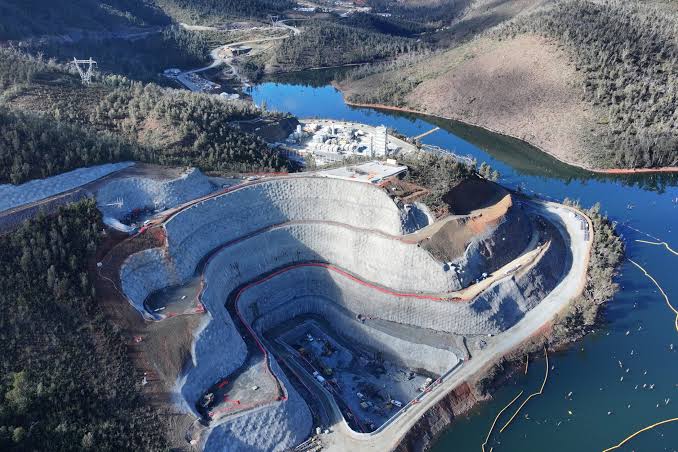
Snowy Hydro, the government‑owned owner of the Snowy 2.0 pumped‑hydro expansion, has been reported to consider terminating its principal contractor, Webuild, because of rising construction costs and productivity concerns.
The Australian National Audit Office’s June 2026 performance audit recorded A$11.1 billion spent by 31 March 2026 against a revised A$12 billion budget, leaving limited headroom for further overruns.
Snowy Hydro has not confirmed a termination decision; instead, the parties continue under a revised contractual framework introduced in September 2023 that replaced the original fixed‑price model with an incentivised target‑cost arrangement.
The Future Generation Joint Venture – comprising Webuild, its Australian subsidiary Clough and The Lane Construction Corporation – defended its continued involvement, citing the engineering complexity of tunnelling and underground works.
The project’s scope includes about 27 km of tunnels linking the Tantangara and Talbingo reservoirs, an underground power station at Lobs Hole with six reversible turbines, and a total added capacity of 2,200 MW.
Snowy Hydro’s schedule targets first power in the second half of 2027 and full commercial operation by December 2028, but ongoing cost and productivity pressures could affect confidence in those milestones.
The new target‑cost model increases exposure to reimbursable costs, making oversight and accountability critical for the project’s financial outlook.
If the consortium were terminated, Snowy Hydro could face legal claims, procurement delays and further schedule setbacks; retaining it requires tighter cost controls and productivity improvements.
Despite the challenges, the pumped‑storage facility is viewed as a strategic asset for storing surplus wind and solar generation and releasing power during peak demand periods.



Comments