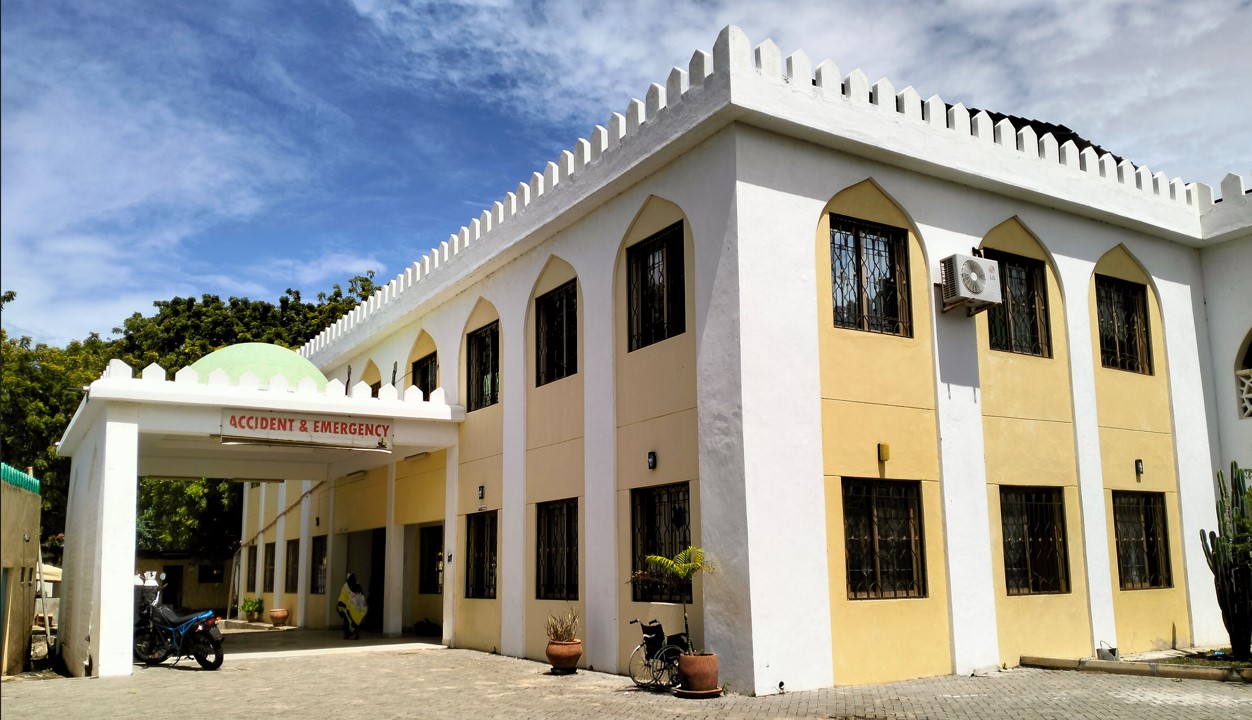
Asha Guruba, a 50‑year‑old mother of four from Mangai village in the Boni Forest, is registered with the Social Health Authority but still spends thousands of shillings each time she seeks treatment.
The local dispensary in Mangai is closed, lacking both essential medicines and staff, forcing Asha to travel to the nearest functional public facility, Kiangwe Dispensary, at a cost of Sh2,000 each way.
Because public service vehicles do not operate in the area due to security concerns linked to Al Shabaab, residents rely on costly motorcycle or boat transport to reach health centres.
Lamu County Health Department reports that 99,748 of the targeted 175,704 residents – 56.8 % – have registered with SHA, highlighting a substantial enrolment gap.
Residents such as Halima Barissa from Mararani confirm that transport alone can cost between Sh2,000 and Sh4,000, adding to cash payments for treatment at Kiangwe Dispensary.
In Kiunga near the Kenya‑Somalia border, Ali Athman says families sometimes spend Sh40,000‑Sh60,000 on boat trips to Lamu King Fahd County Referral Hospital, then pay out‑of‑pocket for consultations and medicines not covered by SHA.
Medical staff across Lamu County note that many facilities lack fully integrated pre‑authorisation and claims‑processing systems, leaving outpatient services and essential diagnostics largely unfunded by SHA.
Junior clinicians report that patients are often referred to private pharmacies for medicines because public outlets are out of stock, forcing families to shoulder high drug prices.
Community advocate Kadzo Mweri says delayed SHA disbursements and medicine shortages have turned hospitals into a last resort, with many families unable to afford transport or drug costs.
Lamu Deputy Governor Dr Mbarak Mohamed Salim acknowledges the challenges, noting progress in registration but citing poor network coverage, road conditions and high premium amounts as barriers.


Comments