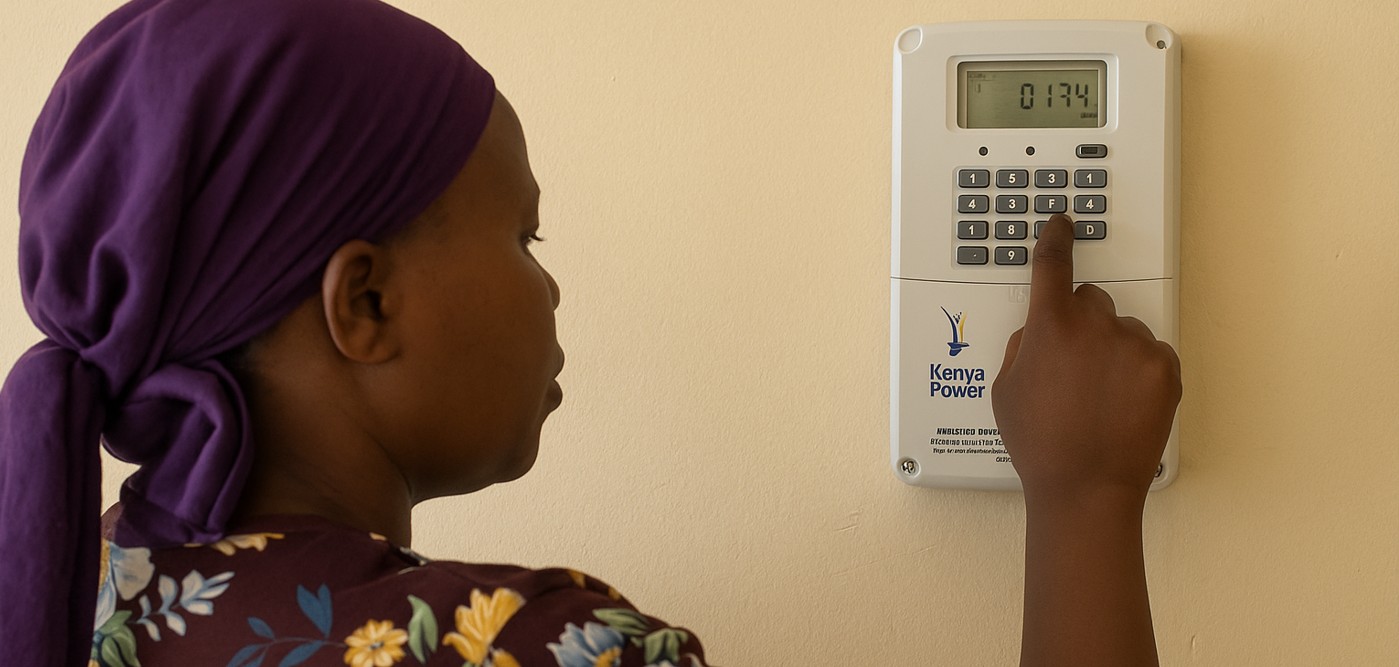
The Senate Energy Committee has opened a probe into the Rural Electrification and Renewable Energy Corporation (REREC) after a parliamentary budget office report showed that only Sh8.86 billion, or 21 percent of the Sh41.76 billion programme budget, had been spent by 31 March 2026.
The programme, which began in January 2020 and is slated to finish in July 2028, was intended to connect thousands of households in remote areas, but many remain unconnected despite the installation of power poles.
Senator Boni Khalwale of Kakamega criticised REREC for launching projects during high‑profile presidential visits and then allowing poles to stand for years without any household connections.
The committee, chaired by Senator William Kisang of Elgeyo Marakwet, is reviewing findings from the Parliamentary Budget Office’s 2025‑26 energy sector implementation report.
Kisang said the committee will identify one to three counties where REREC projects have stalled and conduct targeted oversight visits to determine why electricity poles remain unused.
Tana River County is among the first locations slated for inspection after Senator Danson Mungatana requested a probe into its delayed projects, with a visit planned for next month.
Senator Beatrice Ogolla raised concerns over unfulfilled electrification promises made during President William Ruto’s August visit to Homa Bay, noting that only one school had been reached while residents still await connections.
Following Ogolla’s remarks, the committee instructed its secretariat to write to the REREC chief executive for an explanation of the pending commitments and to obtain details of projects transferred to the National Infrastructure Fund.
The Parliamentary Budget Office will also prepare a separate analysis of the Kenya Off‑Grid Solar Access Project for the committee’s next meeting, expanding the scope of the inquiry beyond pole installations.
Overall, the Senate’s investigation aims to pinpoint the challenges hindering last‑mile connectivity and assess whether REREC can meet its remaining targets before the programme’s 2028 deadline.



Comments