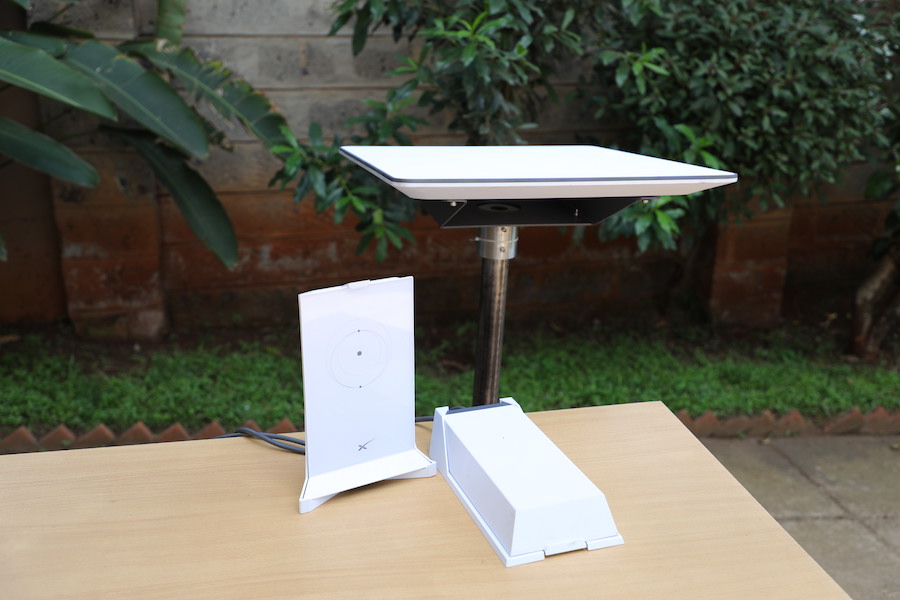
Satellite operators own the space‑based network but typically rely on local partners to sell services, making licensing decisions and telecom agreements the key gatekeepers for end‑user access.
In Uganda, Paratus Uganda launched commercial Starlink sales after receiving a licence on 15 May 2026, and MTN Uganda later introduced a reseller brand, MTN Starlink for Business, on 22 October, showing that a single market can host multiple distribution partners.
South Africa illustrates how ownership‑requirement rules can block direct entry: Starlink has been unable to secure a licence that mandates 30 % historically disadvantaged ownership, despite offering an equity‑equivalent package worth about R500 million and free internet for over 5,000 rural schools.
Amazon’s Leo service pursued an alternative route, signing an agreement with South African ISP Herotel on 15 July to sell satellite connectivity under the Evry brand, with Herotel handling sales, installation and support while Amazon provides the satellite network.
In Senegal, Starlink’s licence granted in November 2025 was challenged by incumbent Sonatel; the ministry rejected the appeal in March, but the Supreme Court provisionally suspended the licence on 7 September while the case proceeds, highlighting how legal disputes can affect market entry.
Kenya’s satellite market remains small but growing: the Communications Authority recorded 27,616 Starlink subscriptions by June 2026, a 58.5 % increase from the previous year, yet satellite services still represent roughly 1 % of the fixed‑broadband market.
The Authority has published a draft Satellite Frequency Licensing Framework for 2026, with public consultation open until 6 November, signalling that spectrum allocation and licensing will be central to future satellite deployments.
Airtel Kenya has completed a direct‑to‑phone pilot and is awaiting regulatory approval, underscoring that satellite‑to‑mobile services raise separate operational and licensing questions from conventional satellite broadband.
GSMA Intelligence’s Q3 2026 tracker found that 13 % of sub‑Saharan mobile operators had satellite partnerships, compared with 19 % globally, and forecasts broad satellite‑to‑phone coverage only by 2028‑2029, indicating the market is still emerging.
The structure of partnership agreements—whether capacity is sold on comparable terms to multiple ISPs or restricted to a few distributors—will shape how widely satellite connectivity reaches rural schools, community networks and smaller providers.


Comments