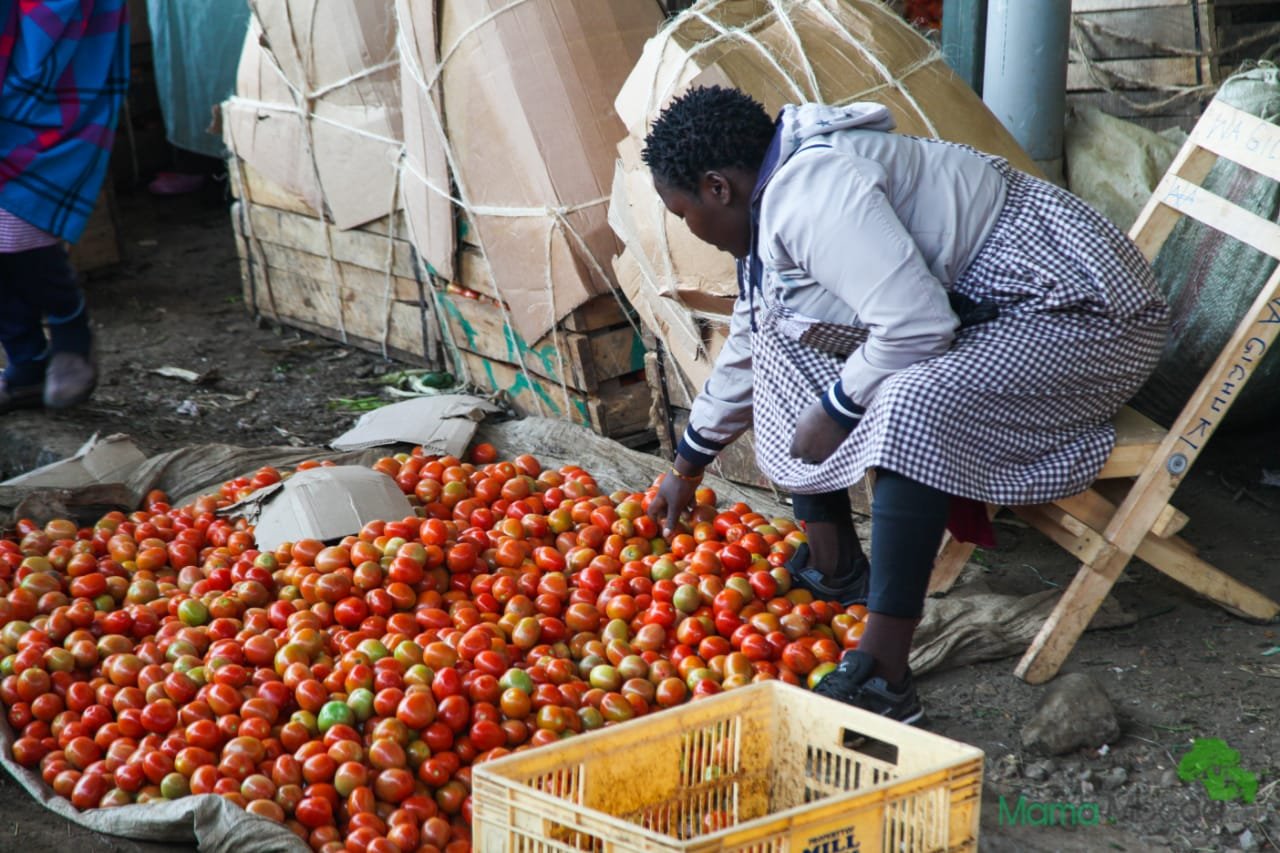
At the Agriculture and Food Systems Transformation Summit in Nairobi on October 8, President William Ruto urged the country to increase domestic output of commodities such as edible oils, fats, wheat and rice, which dominate Kenya’s food import bill.
Ruto highlighted that more than half of Kenyan household income is spent on food, making high import costs a national concern.
He pointed to the government’s fertilizer subsidy programme, which has lowered the price of a 50‑kilogram bag from roughly Sh7,000 to Sh2,000, and noted that over 34 million bags have been distributed to farmers.
Agriculture Cabinet Secretary Mutahi Kagwe confirmed that the subsidised bags are available at National Cereals and Produce Board depots for the Sh2,000 price, despite higher market rates.
The president also cited a digital farmer registration platform that improves targeting of inputs and enhances production planning, enabling more precise delivery of support to registered growers.
Ruto called on farmers to invest in irrigation and water‑harvesting infrastructure, arguing that reliable water supplies would stabilise output, improve credit access and help lower food prices.
He further urged greater value‑addition, encouraging Kenyan producers to move beyond raw commodity sales and develop local processing and branding, using the tea sector as an example.
Trade Cabinet Secretary Lee Kinyanjui added that Kenya is exploiting less than ten percent of export opportunities in markets such as the Middle East and Europe, urging a more aggressive push into those regions.
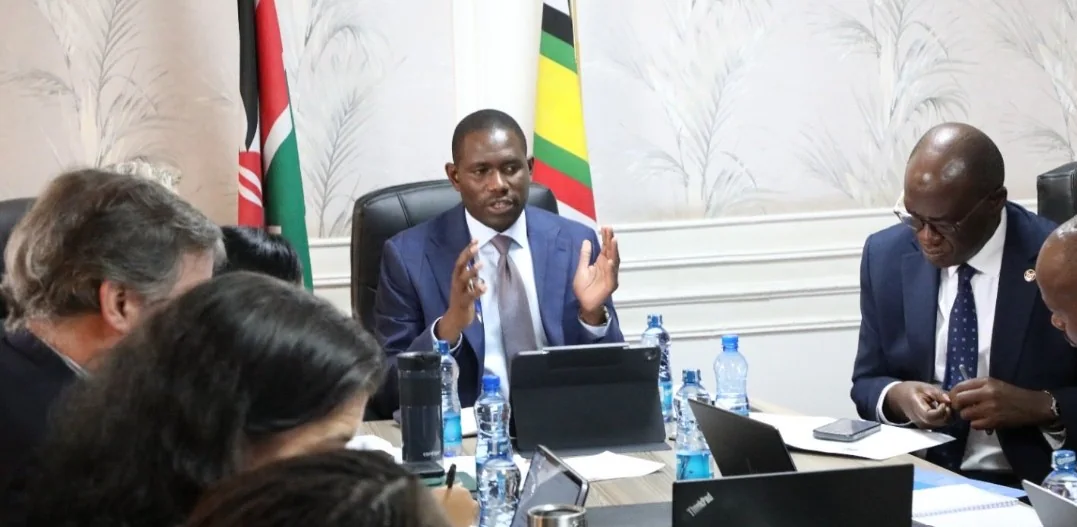
The three‑day summit, running from October 7 to 9 under the theme “Food sovereignty, jobs and shared prosperity”, gathered stakeholders to discuss the sector’s future and the role of these interventions in creating jobs and positioning Kenya as a net exporter.



Comments