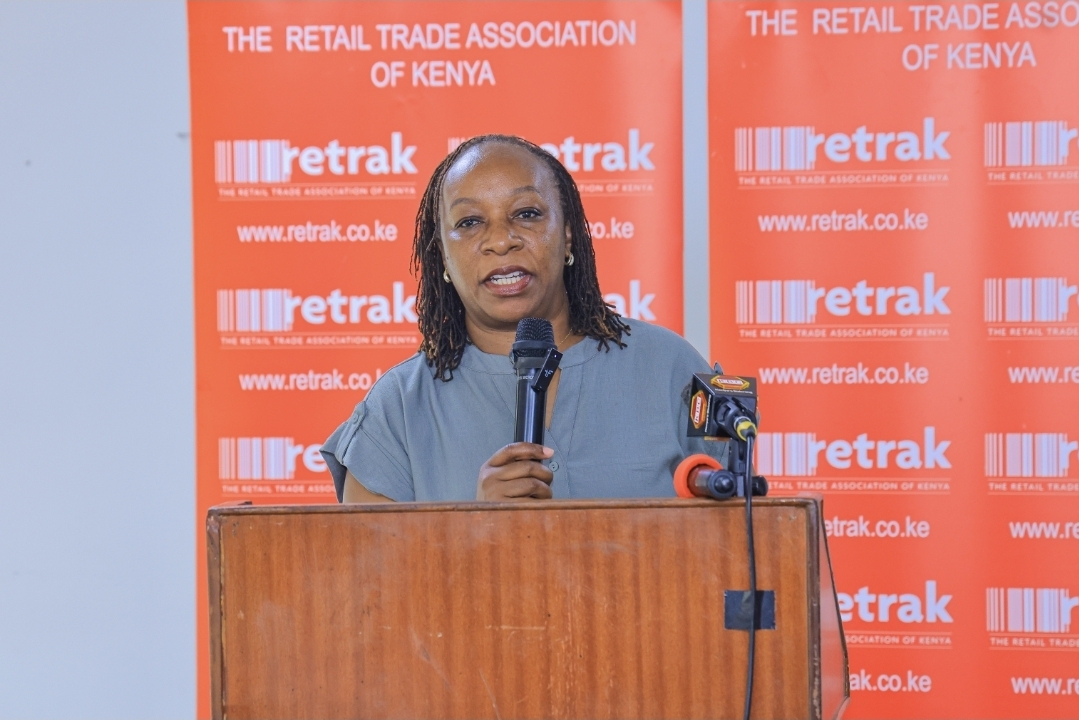
The Retail Trade Association of Kenya (RETRAK) has asked the Kenya Revenue Authority, the Anti‑Counterfeit Authority, the Kenya Bureau of Standards and the National Police Service to devise a shared enforcement framework, name a lead body and publish a schedule for reporting progress.
CEO Wambui Mbarire explained that merely confiscating illegal items in shops does not stop the trade; investigators must trace the origin, storage sites, transport routes and financiers to break the networks.
A Kantar analysis shows that illicit cigarettes accounted for 45.1 % of the market in 2025, up from 34.1 % in 2021, resulting in an estimated loss of KSh 10.2 billion in excise and VAT for that year and KSh 47 billion over the 2021‑2025 period.
The Anti‑Counterfeit Authority reports that unregulated alcohol makes up roughly 59 % of Kenya’s total alcohol consumption by volume, with a fiscal impact of KSh 71 billion in 2022, while its survey found counterfeit items representing an average of 18 % of products across surveyed sectors, including 21 % of vehicle parts and 19 % of alcoholic drinks.
Enforcement figures illustrate the scale of the problem: the ACA seized counterfeit goods worth more than KSh 563 million in the first three quarters of the 2025/26 fiscal year, and the KRA destroyed fake merchandise valued at KSh 218 million in July and intercepted close to 100 tonnes of smuggled sugar in Lodwar and Marsabit.
RETRAK is requesting practical tools for retailers, such as ways to verify excise stamps and authentication marks, rapid guidance when suspicious consignments arrive, and safe channels for staff and the public to report suspected illicit goods and receive feedback.
Mbarire warned that compliant retailers who keep proper records, hold valid licences and source goods responsibly cannot compete fairly with operators supplied by smugglers, counterfeiters and tax evaders, noting that illicit trade jeopardises jobs and consumer safety.
The association also wants enforcement outcomes to be transparent, including data on tracing major suppliers, prosecutions and recovered taxes, emphasizing the need for a sustained, accountable response rather than isolated raids.
RETRAK reaffirmed that retailers must conduct supplier due diligence, retain invoices and reject products of unverifiable origin, and offered to collaborate with regulators to produce clear guidance and awareness programmes for traders of all sizes, including small shop owners.
Mbarire concluded that curbing illicit trade protects consumers, legitimate businesses, employment and public finances, highlighting that counterfeit alcohol can be lethal and fake vehicle parts can cause serious injuries.



Comments