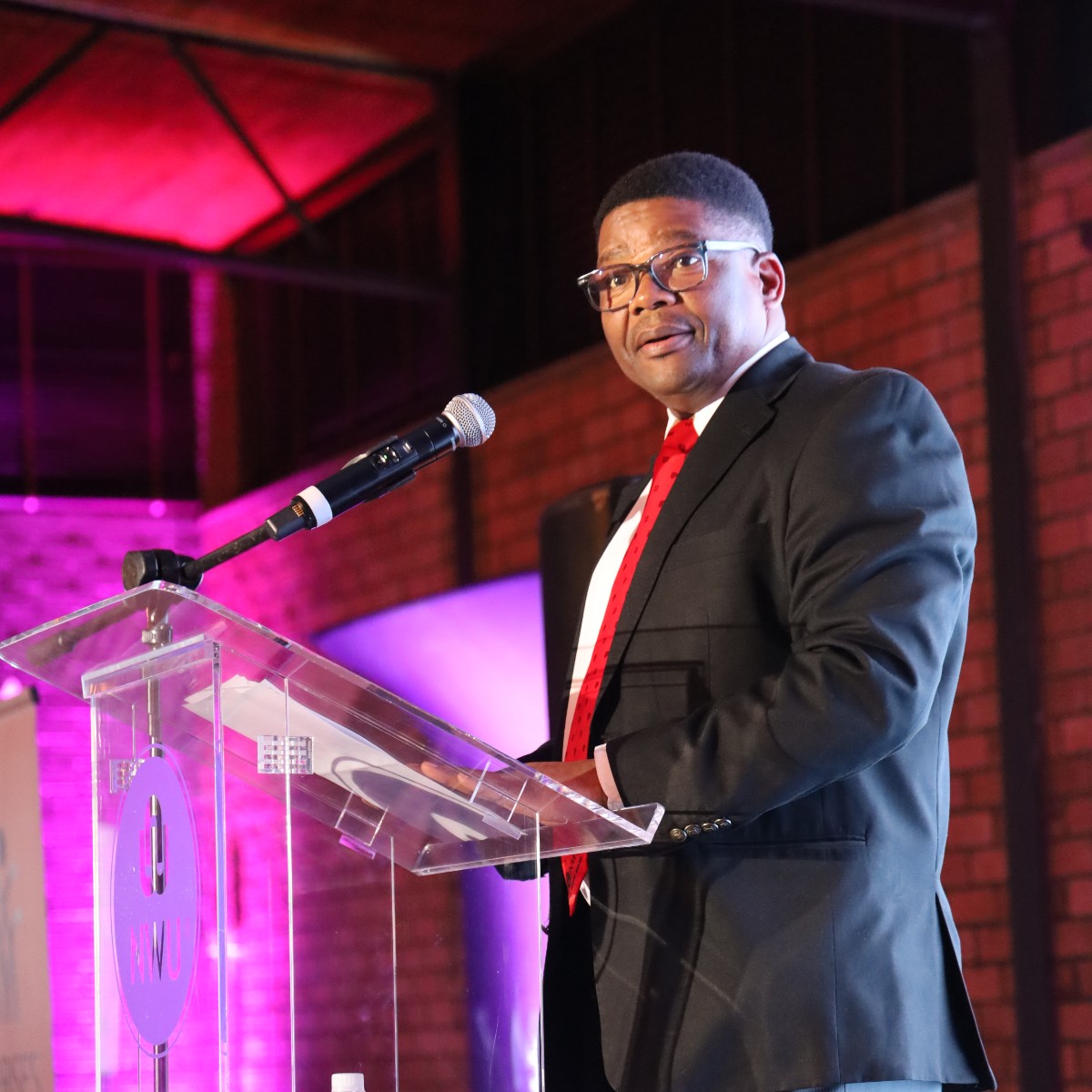
Prof. Jeffrey, Deputy Vice‑Chancellor for Research and Innovation at North‑West University in South Africa, says Africa will miss its development ambitions unless governments, universities and industry increase investment in scientific research and improve science and mathematics education.
He points to a persistent research capacity gap, noting that sub‑Saharan Africa had only 88 full‑time‑equivalent researchers per million people in 2023, compared with 4,358 per million in Europe and North America.
UNESCO data show primary school completion at 68% and upper secondary completion at 29% in sub‑Saharan Africa, far below global averages of 88% and 62% respectively, highlighting weaknesses in the education pipeline.
The region also faces a projected shortfall of 15 million primary and secondary teachers by 2030, threatening the supply of future scientists and engineers.
Jeffrey argues that increasing the number of researchers must become a central objective of national development strategies rather than a secondary concern.
He urges stronger science and mathematics curricula, sustained public research funding, expanded postgraduate programmes, and clearer career pathways to retain talent on the continent.
Jeffrey also calls on governments to provide predictable multi‑year research budgets and on the private sector to partner with universities to commercialise discoveries and create jobs.
He notes that progress should be measured not only by research spending or publications but by the number of researchers trained, retained and the local problems they solve.
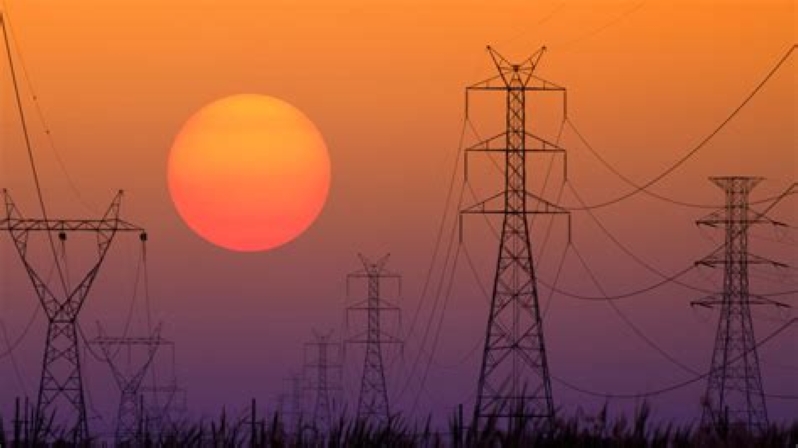
Despite challenges, Jeffrey cites emerging infrastructure projects such as the SKA‑Mid telescope in South Africa, the Mission 300 electricity expansion, the Lobito Corridor upgrade and the 2Africa subsea cable as potential enablers of scientific growth.
He cautions that the benefits of these projects will depend on whether African countries develop the skilled research workforce and industrial capacity needed to exploit them.



Comments