The Department of Water and Health in Tshwane announced that 408 cases of gastrointestinal illness were recorded between 7 and 18 October across five townships east of Pretoria.
Most of those affected are children under four, and patients presented with stomach cramps and diarrhoea at local hospitals over a two‑week period.
Laboratory analysis of water samples identified high levels of Escherichia coli, as well as norovirus, campylobacter, shigella and other pathogens that cause the reported symptoms.
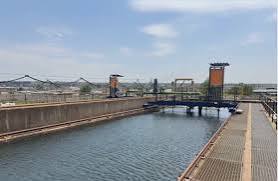
Officials confirmed that the contaminated water originates from a local treatment facility supplying several communities east of Pretoria, and that no cholera bacteria were detected in the current outbreak.
The water has been declared unfit for human consumption; residents are instructed to use it only for flushing toilets while awaiting alternative supplies.
Municipal authorities have dispatched water tankers to deliver safe drinking water to the affected neighborhoods.
Households are advised to discard any previously stored tap water and to disinfect containers with household bleach before reuse.
The outbreak follows a series of waterborne disease incidents in the region, including a 2023 cholera outbreak that killed 29 people in Hammanskraal and a 2025 typhoid cluster of 48 cases east of Pretoria.
Local authorities have been criticised for failing to warn residents promptly about the contamination, a shortcoming identified in early investigations.




Comments