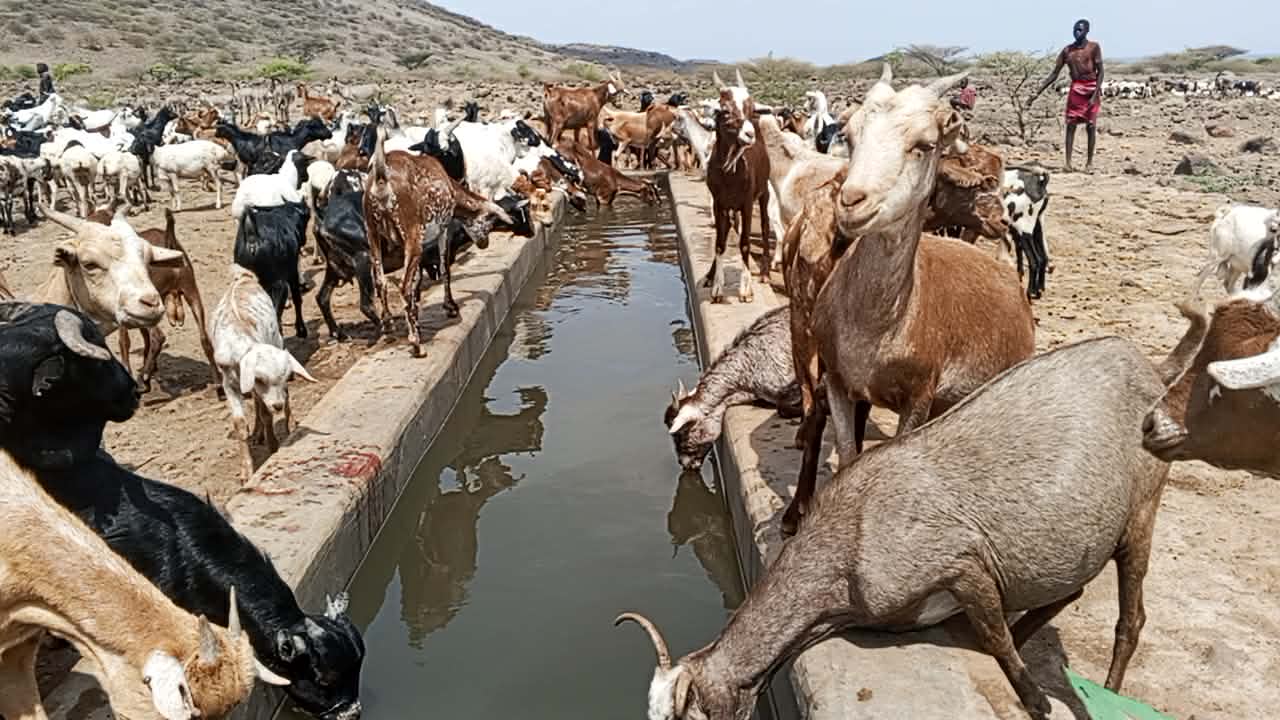
Livestock stakeholders gathered in Garissa County for a public consultation organised by the State Department for Livestock Development, expressing support for two draft policies aimed at tackling long‑standing challenges in the north‑eastern region.
The drafts – a Veterinary Policy (Session Paper No. 2) and a Livestock Policy (Session Paper No. 3) – are being refined through the consultation, which seeks technical recommendations before final adoption.
Participants highlighted four key interventions: strategic livestock feed reserves, rangeland rehabilitation, strengthened disease surveillance and the introduction of livestock insurance, describing them as critical for transforming production in arid and semi‑arid lands.
Abdi Bashir Maalim of the Wajir County Livestock Department said feed reserves would protect pastoralists from prolonged drought‑induced losses, calling the measure a "game changer" for the region.
He also noted that climate change‑driven droughts are the biggest threat to livestock, depleting natural grazing and exposing herders to severe animal mortality.
Dr Luke Kamau, a veterinary officer from Wajir County, said the policies would clarify county responsibilities for disease surveillance, animal welfare and veterinary public health, improving response to outbreaks.
He added that better veterinary services would enhance food safety by ensuring animal products meet required standards for human consumption.
At the national level, Thomas Ogola of the Directorate of Livestock Policy, Research and Regulation explained that the Veterinary Policy will focus on animal health, welfare, disease prevention, food safety and public health, while the Livestock Policy will address production, marketing and sector sustainability.
He identified emerging diseases, limited surveillance resources and weak diagnostic capacity as major constraints the drafts aim to overcome.


Comments