
The Ministry of Health, the Council of Governors and the Social Health Authority have agreed on a modular contracting model to resolve county disputes for the 2026‑2029 public‑hospital contracting cycle.
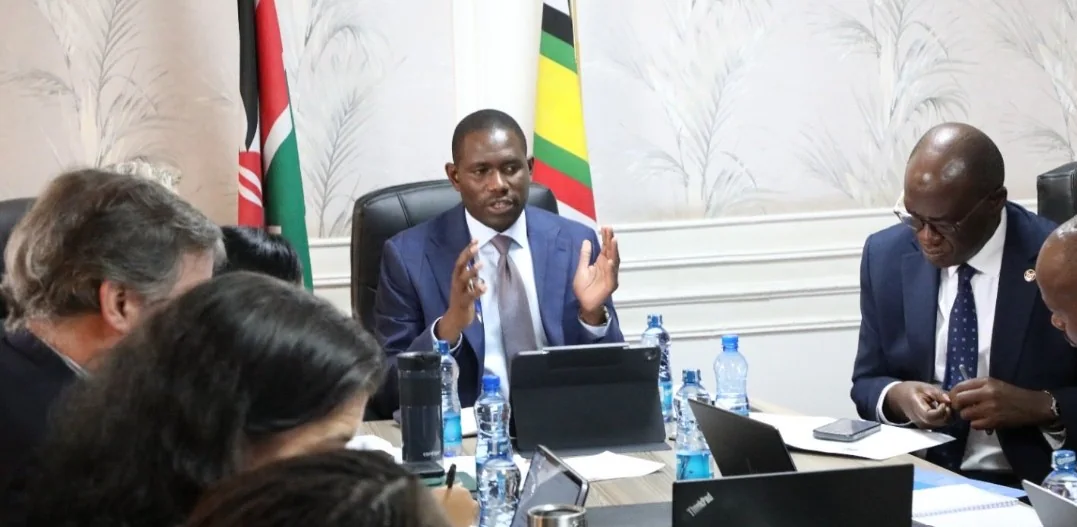
The agreement was reached after a consultative session at Afya House chaired by Health Cabinet Secretary Aden Duale and Council of Governors Health Committee Chair Abdulswamad Shariff Nassir.
Under the new system, each facility will sign a single Master General Terms and Conditions document before entering specific service‑level agreements, simplifying the contracting process.
Facilities will receive direct reimbursements into their designated Facility Improvement Fund accounts, as mandated by the Social Health Insurance Act and the Facilities Improvement Financing Act of 2023.
County governments now act as formal contracting parties, with every agreement requiring clearance from the respective county attorney before execution.
To ease registration, the SHA will accept standard county documents such as establishment instruments, gazette notices, KRA PINs, tax compliance letters, NSSF verification and ODPC registrations.
Facilities that are still obtaining NSSF certificates, NEMA licences, fire safety clearances or disability council certificates receive a 30‑day grace period to secure those documents while retaining conditional contracts.
Level 4 and Level 5 hospitals must hold licences for laboratories, pharmacies and imaging, but can contract individual units that have valid certification even if the whole facility is not fully licensed.
All clean claims submitted by facilities must be paid within 90 days in the order received, and any shortfall must be communicated within seven days, with unpaid claims becoming first‑charge liabilities on the next year’s budget.
Existing contracts have been extended to 14 October 2026 to avoid service interruptions, and the SHA will run daily “HAKIKA” clinics and weekly updates to guide facilities through the onboarding process.



Comments