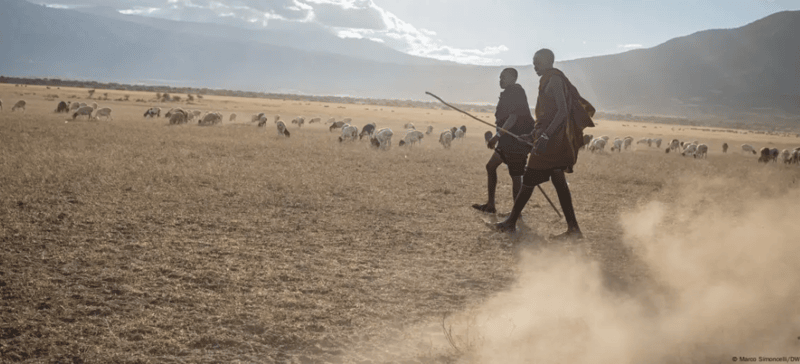
Researchers modelling rainfall under three emissions pathways found that hotter, drier dry seasons and more intense rains will reduce the total livestock the landscape can sustain, lowering individual wealth across Botswana, Eswatini, Lesotho, Mozambique, Namibia, South Africa and Zimbabwe.
The simulation treats herds as a form of savings, with pastoralists buying or selling animals based on expected rains; during droughts, animal values fall as weight loss and market congestion make sales harder.
Results indicate that wealthier owners, who can afford supplemental feed, will retain a larger share of the remaining livestock, amplifying existing socioeconomic disparities.
The authors tested three scenarios: a baseline climate impact, the effect of providing feed at scale, and the combined impact of improved seasonal forecasts plus feed assistance.
Providing supplemental feed alone could increase herd sizes, putting pressure on native vegetation and wildlife, while better forecasts without aid would mainly benefit richer pastoralists who can move or sell animals ahead of droughts.
When forecasts are paired with interventions—such as mobile slaughtering trucks that let owners quickly reduce herd size or targeted feed deliveries for the most vulnerable—the model shows the inequality‑driving effects of climate change can be largely neutralised.
The study cites a South African pilot where a company, Meat Naturally, works with Conservation International to deliver mobile slaughter services, illustrating a practical approach to managing herd sizes during drought.
Authors conclude that strategic combinations of weather information and on‑the‑ground support can prevent climate change from widening pastoral inequality, offering a roadmap for governments and NGOs.


Comments