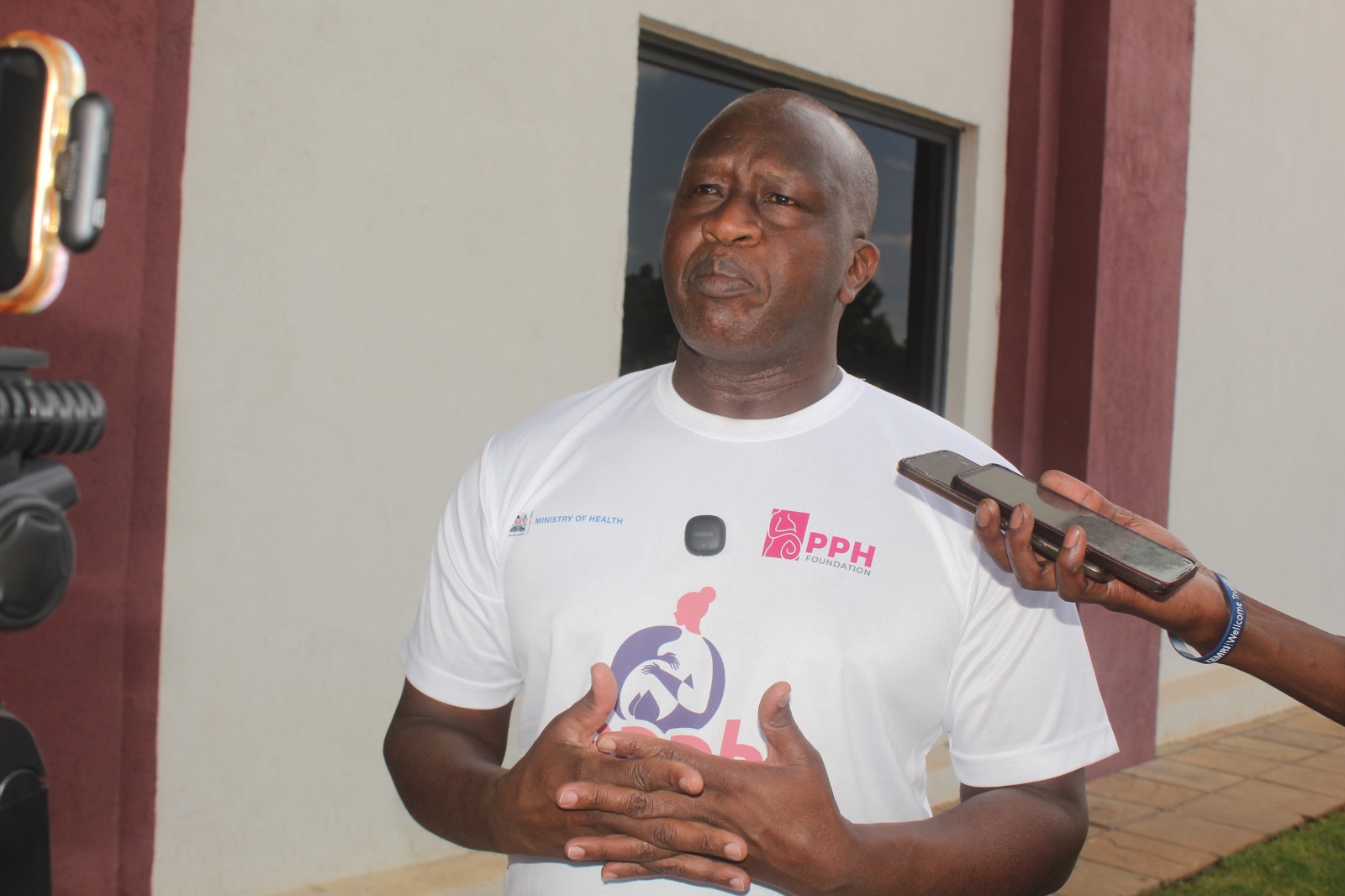
The Ministry of Health says most maternal deaths occur because women reach health facilities too late for life‑saving treatment, with delayed referrals and lack of knowledge about danger signs identified as primary contributors.
Dr Edward Serem, head of the Division of Reproductive and Maternal Health, highlighted that referrals from dispensaries to Level Four hospitals are hampered by long distances and a shortage of ambulances.
Kenya records about 1.2 million pregnancies each year, and the ministry estimates between 1,000 and 1,500 women die annually from pregnancy‑related complications.
Current government initiatives
The Every Woman, Every Newborn, Everywhere (EWENE) programme aims to strengthen recruitment and training of health workers, upgrade infrastructure and equip facilities with essential maternity supplies.
Around 635 health facilities have received new medical equipment, while more than 100,000 community health promoters use tablets to track pregnancies, referrals and maternal outcomes via the electronic Community Health Information System.
The ministry’s blood‑transfusion programme, supported by a Sh1 billion budget allocation, operates 11 regional blood banks and is expanding a roaming donation service to collect over 2,000 units of blood for hospitals.
Expert views on preventability
Maternal‑health specialists stress that postpartum hemorrhage (PPH) is about 80 percent preventable if women recognize danger signs early and reach well‑equipped facilities promptly.
Professor Moses Obimbo, leading the End PPH Run for Her campaign, notes that four out of ten women who die from PPH lack access to blood, underscoring the critical role of blood availability.
Recommendations for families and communities
Health officials urge all pregnant women to attend the recommended number of antenatal visits and to deliver in facilities staffed by skilled professionals, while community health promoters continue to remind families of danger signs and facilitate timely referrals.
The End PPH Run, now active in 26 counties, also promotes emergency‑response drills and virtual‑reality training for maternity staff to improve readiness for obstetric emergencies.


Comments